Vaping and Youth in Canada: Addressing Risks and Responsibilities
vape and youth CanadaThe rising trend of youth vaping has become a significant public health concern in Canada, drawing attention from parents, educators, and policymakers alike. Understanding the dynamics of vape and youth Canada is crucial for addressing the associated risks while promoting responsible practices within the industry. In Canada, where regulations like the Tobacco and Vaping Products Act (TVPA) aim to protect young people, the conversation extends beyond restrictions to include education, awareness, and corporate accountability. For brands like MR FOG Canada, this means prioritizing compliance and safety in products such as the disposable vape, ensuring they are marketed and accessible only to adult consumers. This article delves into the current landscape of youth vaping in Canada, exploring the factors driving its prevalence, the potential health implications, and the measures in place to mitigate risks. Additionally, we will discuss how industry players can contribute positively to this ecosystem, emphasizing the importance of ethical practices and community engagement. By the end, you will have a comprehensive understanding of the challenges and opportunities surrounding vape and youth Canada, along with practical insights into fostering a safer environment for all Canadians .
The Current State of Youth Vaping in Canada
Vaping among young people in Canada has seen a notable increase in recent years, despite overall declines in traditional smoking rates. According to surveys, such as the Canadian Tobacco and Nicotine Survey (CTNS), approximately 14% of youth aged 15 to 19 reported vaping in the past 30 days, a figure that has remained relatively stable since 2019 but underscores persistent accessibility and appeal. This trend is particularly concerning because a majority of these young users have never tried tobacco cigarettes, indicating that vaping may serve as an entry point to nicotine addiction rather than a harm-reduction tool. Several factors contribute to this prevalence, including the availability of flavored products, strategic marketing tactics, and social influences. For instance, many young people cite stress relief, curiosity, and peer pressure as key reasons for trying vaping, often perceiving it as a less harmful alternative to smoking. Additionally, the design of modern devices, such as sleek, discreet disposable vape pens, enhances their appeal to youth by making them easy to conceal and use in various settings.The implications of these trends are far-reaching, impacting not only individual health but also public health objectives. While vaping may offer a reduced-risk alternative for adult smokers, its use among non-smoking youth poses unique challenges, including the potential for nicotine dependence and subsequent tobacco use. In response, Canadian authorities have intensified monitoring efforts, leveraging data from surveys like the CTNS to inform policy adjustments. However, addressing the issue effectively requires a collaborative approach involving educators, parents, and industry stakeholders. By understanding the current state of vape and youth Canada, we can better identify gaps in prevention strategies and work toward solutions that prioritize youth well-being.
Health Risks Associated with Youth Vaping
Nicotine exposure during adolescence poses significant risks to developing brains, which continue to mature until the mid-20s. Regular use of vaping products can impair cognitive functions, such as memory, attention, and impulse control, while increasing susceptibility to addiction. For example, nicotine binds to brain receptors, triggering the release of neurotransmitters that create a rewarding sensation, which may lead to dependence after only a few uses. This is especially problematic for youth, as their brains are more vulnerable to nicotine’s effects, making it harder to quit once addiction takes hold. Beyond addiction, vaping can cause immediate physical issues, such as coughing, wheezing, and exacerbated asthma symptoms, due to the inhalation of aerosols containing potentially harmful chemicals.The long-term health consequences of vaping are still under investigation, but evidence suggests parallels to smoking-related conditions, including respiratory and cardiovascular diseases. Moreover, the use of vaping products obtained from unregulated sources may introduce additional risks, such as exposure to contaminants like vitamin E acetate, which has been linked to severe lung injuries in past outbreaks. These health concerns are central to the discourse on vape and youth Canada, highlighting the need for continued research and proactive measures. Educating young people about these risks, without resorting to scare tactics, can empower them to make informed decisions and seek support when needed.
Regulatory Framework Governing Vaping in Canada
Canada’s approach to regulating vaping products is primarily guided by the Tobacco and Vaping Products Act (TVPA), which sets strict standards to protect youth from inducements to vape. Key provisions include a national minimum age of 18 for purchasing vaping products, though provinces like British Columbia and Ontario have raised this to 19 or 21 to further limit access. The TVPA also enforces a nicotine concentration cap of 20mg/mL for all vaping liquids, aiming to reduce the risk of overdose and addiction among young users. Additionally, regulations restrict marketing tactics that might appeal to minors, such as advertising on platforms frequented by youth or promoting flavors that mimic candies and desserts. These rules are complemented by provincial laws that govern where vaping can occur, such as bans in schools and public spaces, to de-normalize use among adolescents.Enforcement of these regulations involves regular inspections by Health Canada, which can result in warnings, fines, or product seizures for non-compliant retailers. For instance, between 2019 and 2021, thousands of inspections led to the removal of non-compliant products from the market, demonstrating a commitment to upholding these standards. For manufacturers like MR FOG Canada, adherence to these rules is paramount; this includes implementing age verification processes for online sales and ensuring that packaging and labeling meet legal requirements, such as child-resistant caps and health warnings. By operating within this framework, responsible brands can help mitigate the issues surrounding vape and youth Canada, while contributing to a safer market for adult consumers.
The Role of Flavors and Marketing in Youth Appeal
Flavored vaping products play a significant role in attracting young users, with options ranging from fruity blends like mango and blueberry to dessert-inspired tastes such as vanilla custard. Research indicates that these flavors can reduce the perceived risk of vaping, leading youth to believe it is a harmless activity rather than a potential gateway to addiction. In response, Canadian regulations prohibit the promotion of flavors explicitly targeting minors, though this remains a challenging area to monitor as manufacturers innovate new profiles. Marketing tactics also contribute to youth appeal; for example, products designed to resemble everyday items like USB drives or pens make them easy to conceal, while social media campaigns may indirectly glamorize vaping through influencer endorsements.To address these challenges, MR FOG Canada focuses on responsible marketing practices, such as avoiding imagery or language that could resonate with younger audiences and prioritizing educational content about proper use. The brand’s disposable vape lines comply with federal advertising restrictions by emphasizing product features rather than lifestyle associations, thereby reducing their appeal to minors. Furthermore, industry-wide initiatives, like public awareness campaigns, can help counter misconceptions by highlighting the risks of nicotine use in plain, accessible language. By aligning marketing strategies with regulatory goals, companies can support efforts to curb youth vaping while maintaining integrity in the marketplace.
Strategies for Prevention and Education
Effective prevention of youth vaping relies on a combination of education, communication, and community involvement. Parents and teachers can initiate open, non-judgmental conversations with young people, focusing on factual information about risks rather than using scare tactics. For example, discussing how vaping may impact athletic performance or academic focus can make the issue more relatable to youth priorities. Schools can integrate vaping awareness into health curricula, using resources from organizations like Health Canada that provide lesson plans and activities tailored to different age groups. Additionally, media literacy programs can help young people critically evaluate vaping-related content online, enabling them to recognize marketing tactics and resist peer pressure.Beyond individual interactions, broader policies can reinforce these efforts. This might include increasing public funding for youth cessation programs or implementing stricter retail compliance checks to prevent underage sales. For industry participants, supporting these initiatives through transparent practices—such as sharing data on product safety or participating in public health campaigns—can demonstrate a commitment to social responsibility. MR FOG Canada, for instance, emphasizes its dedication to compliance by ensuring all products are sold through verified channels and providing clear usage guidelines for adult consumers. By combining education with enforcement, stakeholders can create a multi-layered defense against youth vaping, ultimately reducing the prevalence of vape and youth Canada issues.
The Path Forward: Collaboration and Innovation
Addressing the complex issue of youth vaping requires ongoing collaboration between regulators, health professionals, educators, and the vaping industry. Continuous monitoring of trends and regulations is essential to adapt to new challenges, such as the emergence of novel products or shifting consumption patterns. For example, Health Canada’s legislative reviews of the TVPA every two years allow for adjustments based on emerging evidence, ensuring that policies remain effective in protecting youth. Industry players can contribute by investing in research and development focused on product safety, such as developing age-restriction technologies or enhancing battery safety to prevent accidents. Additionally, supporting independent studies on the long-term effects of vaping can help fill knowledge gaps and inform public discourse.Innovation in responsible marketing and consumer education also plays a key role. Brands like MR FOG Canada can leverage their platforms to promote accurate information about vaping risks and regulations, while emphasizing their products’ intended use as alternatives for adult smokers. Initiatives might include creating digital resources for parents or partnering with schools to deliver workshops on substance use prevention. Ultimately, by working together, stakeholders can foster an environment where vaping is understood as a harm-reduction tool for adults rather than a trend for youth, thereby mitigating the concerns associated with vape and youth Canada.
Conclusion: A Shared Responsibility for Youth Protection
The issue of vape and youth Canada underscores the need for vigilance, education, and cooperation across all sectors. While regulations provide a critical foundation for protecting young people, lasting change depends on everyday actions—from parents having candid conversations with their children to companies like MR FOG Canada upholding high standards in product development and marketing. The disposable vape market, when managed responsibly, can serve adult smokers seeking alternatives without compromising youth safety. By staying informed about risks, supporting preventive measures, and prioritizing ethical practices, we can collectively reduce the appeal and accessibility of vaping among minors. Let’s commit to a future where all Canadians, especially youth, are empowered to make healthy choices.

 Elite Halloween
 ELITE
ELITE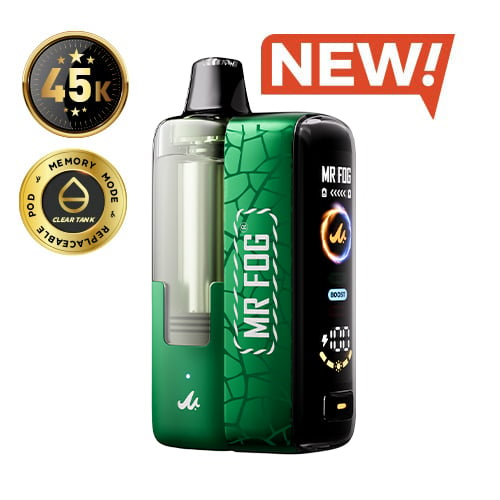 SWITCH POD MINT STEEZY
 SWITCH POD PNCK
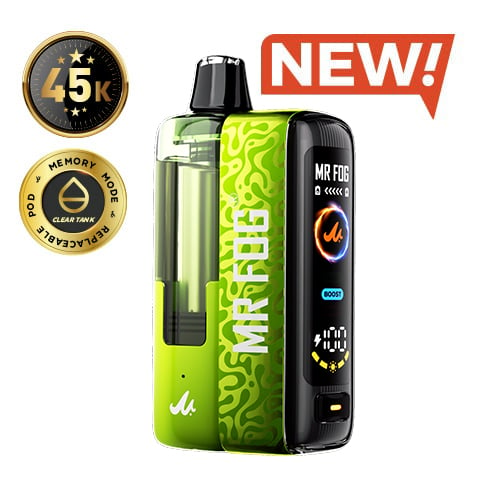 SWITCH POD SOUR
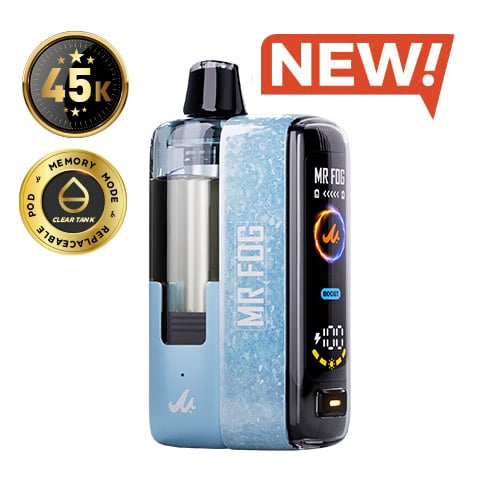 SWITCH POD SPLASH
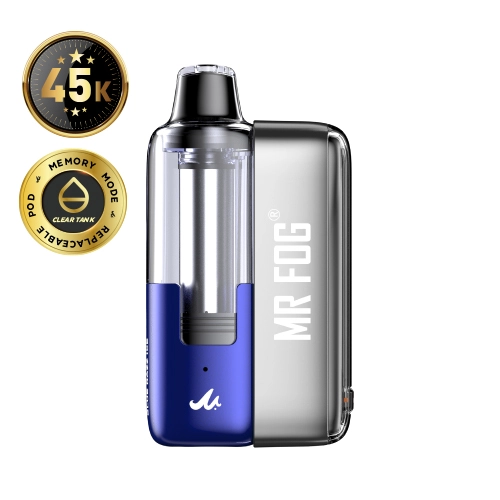 SWITCH POD
 AURA SPLASH
 AURA
AURA NOVA Apple Steezy
 NOVA Banana Steezy
 NOVA Popup Series
 NOVA Bubble Gang
 NOVA Lemon Steezy
 NOVA Series
 Blue Razz Steezy
 Mellow Man
 Apple Steezy
 Banana Steezy
 Berry Steezy
 DRT
DRT SWITCH POD
 Nicotine Pouches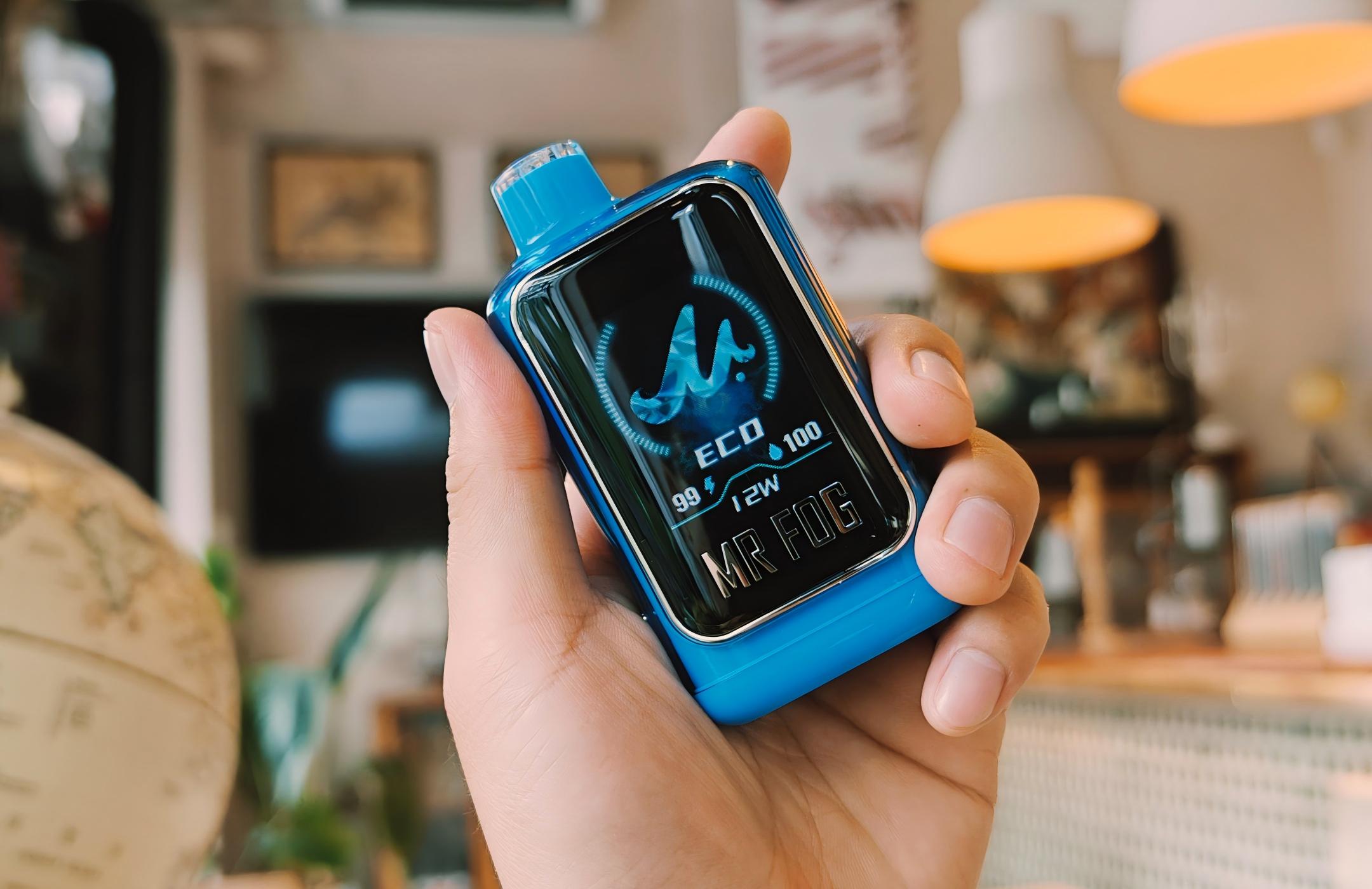



 Elite Halloween
 ELITE
ELITE SWITCH POD MINT STEEZY
 SWITCH POD PNCK
 SWITCH POD SOUR
 SWITCH POD SPLASH
 SWITCH POD
 AURA SPLASH
 AURA
AURA NOVA Apple Steezy
 NOVA Banana Steezy
 NOVA Popup Series
 NOVA Bubble Gang
 NOVA Lemon Steezy
 NOVA Series
 Blue Razz Steezy
 Mellow Man
 Apple Steezy
 Banana Steezy
 Berry Steezy
 DRT
DRT SWITCH POD
 Nicotine Pouches