

 Elite Halloween
 ELITE
ELITE SWITCH POD MINT STEEZY
 SWITCH POD PNCK
 SWITCH POD SOUR
 SWITCH POD SPLASH
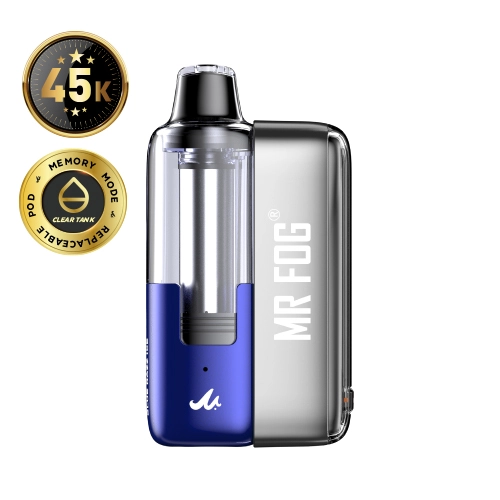 SWITCH POD
 AURA SPLASH
 AURA
AURA NOVA Apple Steezy
 NOVA Banana Steezy
 NOVA Popup Series
 NOVA Bubble Gang
 NOVA Lemon Steezy
 NOVA Series
 Blue Razz Steezy
 Mellow Man
 Apple Steezy
 Banana Steezy
 Berry Steezy
 DRT
DRT SWITCH POD
 Nicotine Pouches
Electronic cigarette use among young people has become one of Canada’s most significant public health challenges in recent years. While vaping was initially introduced as a harm reduction tool for adult smokers, its rapid adoption by youth has raised concerns across healthcare, education, and policy sectors. Understanding the current state of youth vaping Canada trends requires examining recent data, exploring why young people are drawn to these products, and identifying effective prevention strategies. This comprehensive analysis delves into the multifaceted issue of youth vaping Canada faces today, addressing both the scale of the problem and potential solutions. From regulatory approaches to educational initiatives, we explore how Canada is responding to this complex issue and what more can be done to protect young people from the risks associated with nicotine use.
The landscape of youth vaping Canada is characterized by a paradox: while cigarette smoking among teens has declined to historic lows, vaping rates have increased dramatically. This trend represents a significant shift in nicotine consumption patterns among young Canadians, with potential long-term health implications that researchers are only beginning to understand. The situation is complicated by the diversity of vaping products available, evolving marketing tactics, and the challenges of regulating a rapidly changing industry. As we examine the current state of youth vaping Canada must address, it becomes clear that a multifaceted approach is necessary—one that balances harm reduction for adult smokers with robust protection for young people.
Current Data and Trends in Youth Vaping
Recent surveys provide crucial insights into the scale and patterns of electronic cigarette use among young Canadians. According to the Canadian Tobacco and Nicotine Survey (CTNS), approximately 14% of youth aged 15 to 19 reported vaping in the past 30 days as of 2022, with rates remaining relatively stable since 2019. This stability follows a period of significant increase between 2013 and 2019, suggesting that prevention efforts may be having some effect. However, rates remain substantially higher than they were a decade ago, indicating that vaping continues to be a prevalent behavior among Canadian teens.
A more recent development comes from the 2025 Canadian Children and Youth Health Survey, which indicates a promising decline in youth vaping rates. The data shows that past-30-day use among 12-17-year-olds has dropped to 7.2%, nearly half the peak rate of 13.2% observed in 2019. This significant decrease suggests that recent prevention strategies may be effectively addressing youth vaping Canada has been grappling with. The decline coincides with increased public health messaging, regulatory changes, and greater awareness of vaping-related risks. Despite this progress, vaping remains more common among youth than among adults, with 13% of youth reporting past-month use compared to 4% of adults according to 2021 data.
Demographic Variations and Patterns
Youth vaping patterns show significant variation across demographic groups and geographic regions. The 2023 Ontario Student Drug Use and Health Survey revealed that vaping increases substantially with grade level, with usage quadrupling from 5% in grade 8 to 22% in grade 12. This pattern suggests that initiation often occurs during high school years, making this a critical period for prevention efforts. Gender differences are also notable, with females (18%) twice as likely as males (9%) to report past-year vaping according to the same survey. These demographic variations highlight the need for targeted approaches that address the specific factors influencing different groups of young people .
Geographic distribution of vaping rates across Canada shows interesting patterns. Recent research examining sub-provincial data found that past-month ENDS (electronic nicotine delivery systems) use varies across census divisions, even within provinces. Some Atlantic provinces show higher rates of use, including New Brunswick (5.6%), Prince Edward Island (4.8%), Nova Scotia (4.7%), and Newfoundland and Labrador (4.5%), followed by Manitoba (4.1%). Suburban and exurban communities in Ontario and Quebec also demonstrated particularly high ENDS use. This geographic variation suggests that local factors, including community characteristics and economic conditions, may influence vaping behaviors.
Why Youth Are Drawn to Vaping
Understanding why young people start vaping is essential for developing effective prevention strategies. The reasons are multifaceted and often differ from the motivations reported by adult users. According to the Canadian Tobacco and Nicotine Survey, the most common reasons cited by youth for vaping include stress reduction (31%), curiosity (27%), and enjoyment (23%). The increase in stress-related vaping from 21% in 2019 to 31% in 2022 may reflect the impact of the COVID-19 pandemic and other stressors on youth mental health. This suggests that some young people are using vaping as a coping mechanism, potentially creating a cycle of nicotine dependence that exacerbates rather than alleviates stress.
Social influences also play a significant role in youth vaping initiation. Many young people report that their first vaping experience occurred in social settings, with peers serving as important influences on their decision to try vaping. The perception that vaping is a social activity is reinforced by the fact that many teens who vape occasionally do not own a device themselves but borrow from friends. However, regular vapers are equally likely to vape alone as in social situations, suggesting that as use becomes more established, it may shift from social activity to individual habit. This evolution in usage patterns has important implications for prevention and cessation efforts.
The Role of Marketing and Flavors
Marketing tactics and product characteristics significantly influence youth appeal. Research indicates that flavors are a major factor in the attractiveness of vaping products to young people. Fruit flavors are particularly popular, preferred by 65% of youth compared to 57% of young adults and 48% of older adults. Mint and menthol flavors also rank high among youth preferences. The availability of these appealing flavors, combined with sophisticated marketing strategies that often leverage social media and influencer endorsements, has contributed to the normalization of vaping among youth. Despite regulations prohibiting marketing to young people, exposure remains high through digital channels that are difficult to monitor effectively.
The design of vaping devices themselves also enhances their appeal to youth. Many products feature sleek, discreet designs that resemble everyday items like USB drives or pens, making them easy to conceal from parents and teachers. Add-ons such as vinyl “skins” or wraps further customize the devices, while the lack of lingering odor reduces detection risk. These characteristics, combined with the technological aspect of vaping devices, create a product that aligns with youth culture and values. The industry’s ability to continuously innovate and introduce new products presents an ongoing challenge for regulators seeking to limit youth appeal.
Health Risks and Consequences for Youth
Nicotine exposure during adolescence poses significant risks to developing brains, which continue to mature until the mid-20s. Research shows that nicotine can interfere with healthy brain development, affecting areas responsible for attention, learning, and impulse control. These neurological effects may have long-term consequences for cognitive function and mental health. Youth are particularly vulnerable to nicotine addiction, with studies indicating that young people can develop dependence with lower levels of exposure than adults. Once established, nicotine addiction can be challenging to overcome, and withdrawal symptoms can include irritability, anxiety, difficulty concentrating, and strong cravings.
Beyond addiction, vaping is associated with various physical health risks. Respiratory issues are commonly reported, including increased coughing, wheezing, and worsening of asthma symptoms. The aerosol produced by vaping devices contains potentially harmful chemicals, including ultrafine particles that can penetrate deep into the lungs. Some studies have also identified cardiovascular risks, with evidence suggesting that vaping nicotine can increase heart rate and blood pressure, potentially elevating the risk of heart attack. Dual use of both cigarettes and vapes appears to compound these risks, creating additional health concerns for young people who use multiple nicotine products.
Mental Health and Social Implications
The relationship between vaping and mental health is complex and bidirectional. While some youth report using vaping to cope with stress, anxiety, or depression, evidence suggests that nicotine may actually worsen these conditions over time. The temporary relief provided by nicotine is followed by withdrawal symptoms that can increase anxiety and depression, creating a cycle that reinforces use. This pattern is particularly concerning given the already high rates of mental health challenges among youth. Additionally, nicotine’s impact on developing brains may affect emotional regulation and stress response systems, potentially having long-term consequences for mental health.
Social implications of youth vaping extend beyond health concerns to academic and behavioral outcomes. Difficulty concentrating and learning, which are known effects of nicotine on the developing brain, can interfere with academic performance. The financial cost of maintaining a vaping habit may lead to financial strain or engagement in risky behaviors to obtain products. Additionally, the time and energy devoted to vaping—including finding opportunities to vape and concealing use from adults—can detract from other activities and relationships. These broader impacts highlight how vaping can affect multiple aspects of a young person’s life, extending beyond physical health consequences.
Regulatory Framework and Prevention Strategies
Canada has implemented various regulatory measures to address youth vaping through the Tobacco and Vaping Products Act (TVPA). Key provisions include prohibiting the sale of vaping products to minors (under age 18, with some provinces setting the age at 19 or 21), restricting nicotine concentration to a maximum of 20 mg/mL, and limiting marketing tactics that appeal to youth. The legislation also addresses promotion of flavors that are particularly attractive to young people, though flavor restrictions vary by province. These regulatory measures aim to balance access to harm reduction alternatives for adult smokers while protecting youth from initiation and addiction.
Enforcement of vaping regulations presents ongoing challenges. Despite age restrictions, the 2023 Ontario Student Drug Use and Health Survey found that 67% of youth report vaping products are “fairly easy” or “very easy” to obtain. Social sources, including friends and family members, represent a significant access point for young people. Just over half of youth who vape report obtaining their devices through social sources, highlighting the limitations of retail-focused regulations. This accessibility issue underscores the need for comprehensive approaches that address both commercial and social access points.
Educational Initiatives and School-Based Programs
School-based prevention programs have become an important component of addressing youth vaping. Resources such as the “Not an Experiment” toolkit for grades 7-12 provide educators with cross-curricular lesson plans and interactive activities to educate students about vaping risks. These programs aim to build media literacy skills, helping young people critically evaluate marketing messages and understand the tactics used to make vaping appealing to youth. By addressing vaping prevention within the context of broader health education, these initiatives seek to empower students with information and skills to make informed decisions.
Conversations between trusted adults and young people represent another crucial prevention strategy. Health Canada recommends that parents, teachers, coaches, and other adults initiate open, non-judgmental conversations about vaping. Effective communication involves listening as much as talking, allowing youth to express their thoughts and questions without fear of judgment. Educators can incorporate brief conversations about vaping into existing curricula, using approaches that are sensitive to students’ developmental stages and experiences. These personal interactions complement broader public health messaging and can be tailored to individual circumstances.
Industry Perspectives and Harm Reduction Considerations
The debate around youth vaping often involves tension between preventing youth initiation and preserving vaping’s role in harm reduction for adult smokers. Industry representatives, including the Canadian Vaping Association, emphasize that the recent decline in youth vaping rates demonstrates the effectiveness of current regulatory approaches. They argue that further restrictive measures, such as flavor bans, might inadvertently harm adult smokers who use vaping to transition away from combustible cigarettes. This perspective highlights the challenge of designing policies that effectively protect youth without eliminating less harmful alternatives for adults.
The concept of “differential risk” is central to harm reduction approaches. While vaping is not risk-free, particularly for youth, evidence suggests it is less harmful than continued smoking for adults who are unable to quit using other methods. This recognition has led some public health experts to advocate for targeted strategies that distinguish between youth protection and adult harm reduction. Such approaches might include stricter age verification measures, product design standards that reduce youth appeal, and comprehensive education about relative risks. Balancing these competing priorities remains a challenge for policymakers.
Retailer Responsibilities and Industry Practices
Licensed vaping retailers play a critical role in preventing youth access through strict age verification protocols and compliance with federal and provincial regulations. The Canadian Vaping Association emphasizes that its members operate as age-restricted businesses, similar to cannabis retailers, with robust ID verification processes. These industry practices complement regulatory measures by creating additional barriers to youth access at the point of sale. However, the persistence of social sources as a primary access route for youth suggests that retail-focused strategies alone are insufficient.
Product innovation and marketing practices within the industry continue to evolve, presenting both challenges and opportunities for youth prevention. Some companies have developed technologies that allow for more precise nicotine delivery, potentially reducing the risk of overconsumption. Others have implemented voluntary marketing restrictions that go beyond regulatory requirements. However, the rapid pace of product development and the emergence of new device types and flavors require ongoing vigilance from regulators and public health authorities. Industry stakeholders who prioritize responsible practices can contribute meaningfully to addressing youth vaping while maintaining options for adult smokers.
Supporting Youth Who Vape: Cessation and Intervention
For young people who have already developed vaping habits, appropriate cessation support is essential. Recognizing that youth vaping cessation differs from adult smoking cessation, several tailored resources have been developed. The “I quit for me” guide from Health Canada is designed specifically for youth who want to quit vaping, providing age-appropriate information and strategies. Digital tools like the “Quash” app offer behavior change strategies for young people aged 14-30, while the “Stop Vaping Challenge” app incorporates social support elements by allowing users to connect with friends. These resources acknowledge the unique challenges youth face when attempting to quit vaping.
Healthcare providers play an important role in identifying youth vaping and offering appropriate interventions. The Centre for Addiction and Mental Health (CAMH) offers a Youth Nicotine and Vaping Treatment Program, providing specialized support for young people experiencing nicotine dependence. While nicotine replacement therapies (NRTs) are not generally recommended for teens unless advised by a doctor, behavioral support and counseling can be effective. Early intervention is particularly important, as shorter duration of use is associated with better cessation outcomes. Creating supportive environments where youth feel comfortable seeking help without stigma is crucial for successful cessation.
School and Community-Based Approaches
Schools and communities can implement supportive measures for youth attempting to quit vaping. Some educational institutions have incorporated vaping cessation into their health services, providing counseling and support groups. Community organizations often offer youth-specific programs that address both the physical and psychological aspects of nicotine addiction. These approaches recognize that quitting vaping involves more than just overcoming physical dependence—it may also require finding alternative coping strategies for stress, building refusal skills for social situations, and addressing misconceptions about vaping. A comprehensive approach that involves families, schools, healthcare providers, and community organizations offers the best chance of success.
Preventing relapse represents another important aspect of supporting youth who vape. Research shows that the chances of quitting for good increase with every attempt, so framing setbacks as learning opportunities rather than failures is important. Youth may benefit from understanding common triggers for vaping, such as stress, social situations, or exposure to vaping-related content, and developing strategies to manage these triggers. Peer support can be particularly valuable, as young people often relate better to others who have shared similar experiences. Programs that empower youth to support each other in quitting efforts can leverage this natural tendency toward peer influence in positive ways.
The Path Forward: A Balanced Approach to Youth Vaping
Addressing youth vaping Canada is experiencing requires ongoing collaboration between multiple stakeholders, including government agencies, educational institutions, healthcare providers, parents, and industry representatives. The recent decline in youth vaping rates is encouraging but should not lead to complacency. Continued monitoring of vaping behaviors, product trends, and emerging health evidence is essential for adapting strategies to a rapidly evolving landscape. Research into the long-term health effects of vaping, particularly when initiation occurs during adolescence, will provide valuable information for future prevention efforts.
Effective communication about vaping risks represents a critical component of comprehensive prevention. Messages should be accurate, evidence-based, and delivered in ways that resonate with youth. Scare tactics or exaggerated claims may undermine credibility, while transparent discussion of both known risks and uncertainties can build trust. Involving young people in developing prevention messages ensures that these communications address their concerns and perspectives. Media literacy education that helps youth critically evaluate vaping-related content, including social media posts and marketing materials, empowers them to make informed decisions.
Policy Considerations and Future Directions
Future policy approaches to youth vaping Canada must address several key areas. Enhancing enforcement of existing age restrictions, particularly regarding online sales and social sources, could reduce youth access. Regulations addressing product design features that enhance youth appeal, such as discreet form factors and high-nicotine formulations, may also be warranted. Meanwhile, maintaining options for adult smokers seeking harm reduction alternatives requires careful policy design that distinguishes between youth protection and adult access. Evaluating the impact of existing provincial flavor restrictions could provide evidence for future regulatory decisions.
International comparisons offer valuable insights for Canadian approaches to youth vaping. Countries that have implemented comprehensive tobacco control strategies, including plain packaging, tobacco endgame policies, and integrated vaping regulations, provide models for consideration. The World Health Organization’s Framework Convention on Tobacco Control offers guidance on regulating emerging nicotine products, though countries have adopted diverse approaches. Learning from these international experiences while tailoring strategies to the Canadian context can help develop effective, evidence-based policies that address youth vaping Canada is facing while maintaining progress in reducing smoking-related harm.
Conclusion: Protecting Youth While Supporting Harm Reduction
The issue of youth vaping Canada confronts is complex, requiring nuanced responses that balance multiple public health objectives. While recent data shows encouraging declines in youth vaping rates, continued vigilance and comprehensive strategies are necessary to sustain this progress. Effective approaches must address the various factors that contribute to youth vaping, including stress, social influences, appealing product characteristics, and easy accessibility. Simultaneously, preserving vaping’s potential role in harm reduction for adult smokers remains an important consideration.
Addressing youth vaping Canada effectively will require ongoing collaboration between government, educators, healthcare providers, parents, and industry stakeholders. By combining regulatory measures with education, prevention, and cessation support, Canada can continue to make progress in reducing youth vaping while maintaining appropriate options for adult smokers seeking alternatives. The goal remains protecting young people from nicotine addiction and associated health risks while acknowledging the legitimate role of harm reduction in comprehensive tobacco control strategies. With continued effort and evidence-based approaches, Canada can meet the challenge of youth vaping while advancing broader public health goals.
 Elite Halloween
 ELITE
ELITE SWITCH POD MINT STEEZY
 SWITCH POD PNCK
 SWITCH POD SOUR
 SWITCH POD SPLASH
 SWITCH POD
 AURA SPLASH
 AURA
AURA NOVA Apple Steezy
 NOVA Banana Steezy
 NOVA Popup Series
 NOVA Bubble Gang
 NOVA Lemon Steezy
 NOVA Series
 Blue Razz Steezy
 Mellow Man
 Apple Steezy
 Banana Steezy
 Berry Steezy
 DRT
DRT SWITCH POD
 Nicotine Pouches