

 ELITE
ELITE SWITCH POD SPLASH
 SWITCH POD
 AURA SPLASH
 AURA
AURA NOVA Apple Steezy
 NOVA Banana Steezy
 NOVA Popup Series
 NOVA Bubble Gang
 NOVA Lemon Steezy
 NOVA Series
 Blue Razz Steezy
 Mellow Man
 Apple Steezy
 Banana Steezy
 Berry Steezy
 DRT
DRT SWITCH POD
 Nicotine Pouches
As vaping becomes more common around the world, concerns about secondhand vaping are growing just as quickly. Many people wonder whether being around someone who vapes poses any real health risk—especially for children, non-vapers, and those with existing health conditions.
Secondhand vaping refers to the exposure that occurs when non-users inhale the aerosol exhaled by someone using an e-cigarette. While it is often compared to secondhand smoke from traditional cigarettes, the two are not the same.
This article explains what secondhand vaping is, how it differs from secondhand smoke, the potential health risks involved, common misconceptions, and practical ways to reduce exposure.
What Is Secondhand Vaping?
Secondhand vaping—sometimes called passive vaping—occurs when a non-vaper breathes in the aerosol released into the air by someone using a vape device.
Unlike cigarette smoke, which is produced by burning tobacco, vape aerosol is created when an electronic device heats a liquid (commonly called e-liquid or vape juice). This aerosol is then exhaled into the surrounding environment, where others may inhale it.
Although vape aerosol generally contains fewer toxic substances than cigarette smoke, it is not just harmless water vapor.
What Is in Secondhand Vape Aerosol?
Research shows that secondhand vape aerosol can contain a variety of substances, including:
Nicotine
Nicotine is a highly addictive substance commonly found in both tobacco products and many e-liquids. Even low-level exposure may affect the developing brains of children and adolescents.
Propylene Glycol and Vegetable Glycerin
These substances are used to carry nicotine and flavorings. When inhaled, they can irritate the airways and contribute to dryness or coughing.
Flavoring Chemicals
Many flavoring compounds are safe to eat but not necessarily safe to inhale. Some have been linked to lung irritation when aerosolized.
Ultrafine Particles and Trace Metals
Studies have detected small particles and trace amounts of metals such as nickel and lead in vape aerosol, depending on the device and e-liquid used.
Secondhand Vaping vs Secondhand Smoke: Key Differences
Understanding the difference between secondhand vaping and secondhand smoke is essential for evaluating health risks.
Chemical Composition
-
Secondhand smoke contains thousands of chemicals, including tar, carbon monoxide, and dozens of known carcinogens.
-
Secondhand vaping generally contains fewer chemicals and lower levels of toxic substances, but still includes nicotine and irritants.
Persistence in the Air
-
Cigarette smoke tends to linger in the air and cling to surfaces.
-
Vape aerosol disperses more quickly, but in enclosed or poorly ventilated spaces, exposure can still occur.
Health Evidence
-
The dangers of secondhand smoke are well established.
-
The long-term health effects of secondhand vaping are still being studied, but early evidence suggests potential respiratory and cardiovascular concerns.
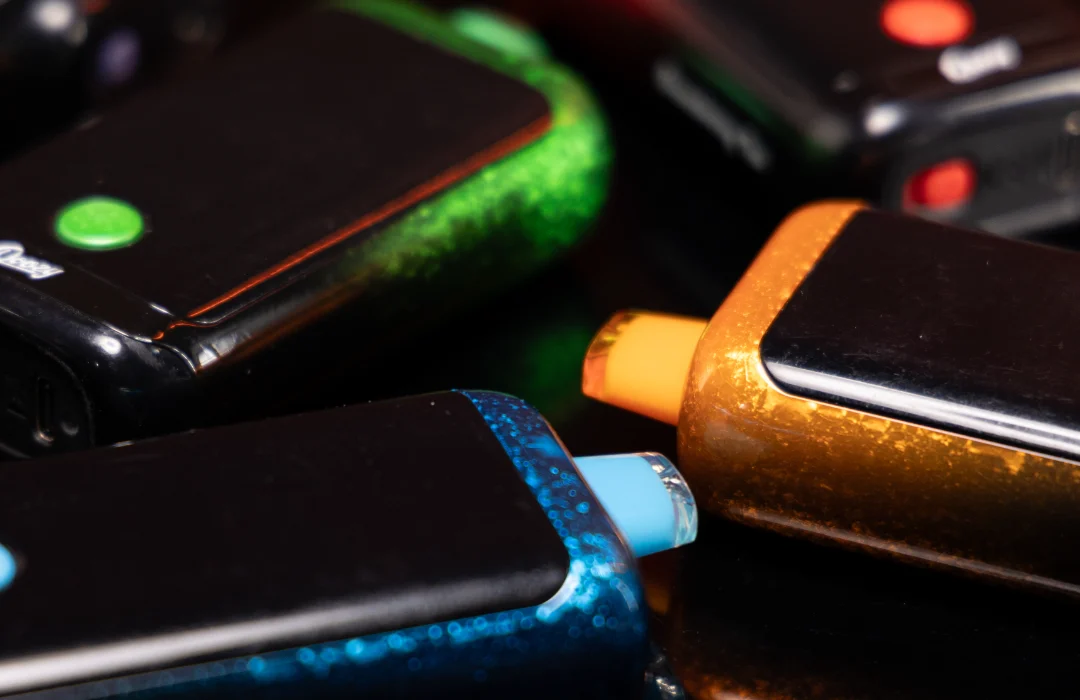
Is Secondhand Vaping Harmful?
The short answer: it may be, especially with frequent or prolonged exposure.
Respiratory Effects
Exposure to secondhand vaping may irritate the lungs and airways. People with asthma, allergies, or chronic respiratory conditions may experience worsened symptoms such as coughing, wheezing, or shortness of breath.
Cardiovascular Effects
Nicotine exposure—even at low levels—can increase heart rate and blood pressure. Repeated exposure may have implications for cardiovascular health over time.
Nicotine Exposure in Children
Children and adolescents are particularly vulnerable. Inhaling nicotine through secondhand vaping can:
-
Affect brain development
-
Increase the risk of future nicotine addiction
-
Disrupt sleep and concentration
Allergic and Sensitivity Reactions
Some individuals report headaches, nausea, dizziness, or irritation when exposed to vape aerosol, particularly from certain flavorings.
Common Myths About Secondhand Vaping
Myth 1: Secondhand vaping is completely harmless
While it is less harmful than secondhand smoke, it is not risk-free, especially in enclosed spaces.
Myth 2: Vape aerosol disappears instantly
Although it dissipates faster than smoke, aerosol can remain in the air long enough to be inhaled by others.
Myth 3: Vapes only produce water vapor
Vape aerosol contains nicotine, chemicals, and fine particles—not just water.
How to Reduce Exposure to Secondhand Vaping
Reducing exposure is especially important for children, pregnant individuals, and those with health conditions.
Vape Outdoors Whenever Possible
Using vape devices outdoors significantly reduces the concentration of aerosol in the air.
Avoid Enclosed Spaces
Do not vape in homes, cars, offices, or other enclosed environments where aerosol can build up.
Improve Ventilation
Open windows and use air circulation if vaping occurs nearby.
Practice Consideration and Education
Encouraging responsible vaping habits helps protect non-users and creates a healthier shared environment.
Why Secondhand Vaping Is a Growing Public Health Topic
As vaping becomes more widespread, public health agencies are paying closer attention to its broader impact—not just on users, but on those around them.
Some regions have begun:
-
Restricting vaping in public spaces
-
Including vaping in smoke-free laws
-
Promoting awareness campaigns
These measures aim to reduce involuntary exposure, particularly among minors.
What the Science Is Still Learning
It is important to note that vaping is relatively new compared to smoking. While existing evidence raises concerns about secondhand vaping, researchers continue to study:
-
Long-term exposure effects
-
Impact on indoor air quality
-
Risks to vulnerable populations
As more data becomes available, recommendations and regulations may evolve.
Final Thoughts
Secondhand vaping is not the same as secondhand smoke, but it is also not completely harmless. Vape aerosol contains nicotine and other substances that may affect respiratory and cardiovascular health, especially with repeated exposure.
Understanding the risks, avoiding enclosed spaces, and practicing considerate vaping behavior can help reduce harm and protect non-users.
Making informed choices benefits everyone—vapers and non-vapers alike.
 ELITE
ELITE SWITCH POD SPLASH
 SWITCH POD
 AURA SPLASH
 AURA
AURA NOVA Apple Steezy
 NOVA Banana Steezy
 NOVA Popup Series
 NOVA Bubble Gang
 NOVA Lemon Steezy
 NOVA Series
 Blue Razz Steezy
 Mellow Man
 Apple Steezy
 Banana Steezy
 Berry Steezy
 DRT
DRT SWITCH POD
 Nicotine Pouches