

 SWITCH POD
 AURA
AURA NOVA Apple Steezy
 NOVA Banana Steezy
 NOVA Popup Series
 NOVA Bubble Gang
 NOVA Lemon Steezy
 SWITCH POD
 AURA
AURA NOVA Series
 SWITCH 15000
 SWITCH 5500
 Blue Razz Steezy
 Mellow Man
 Apple Steezy
 Banana Steezy
 Berry Steezy
 DRT
DRT Nicotine Pouches
As vaping becomes more common in schools, airports, event venues, and public spaces, one question keeps coming up: Can K9 dogs smell vapes?
The short answer is yes, sometimes—but not in the way many people assume.
Detection dogs do not automatically “smell all vapes.” They are alerted to specific odor targets they were trained to recognize, such as explosives, controlled substances, agricultural products, or, in some specialized programs, nicotine or THC-related vape materials. That distinction matters. A dog trained for explosives at an airport is not the same as a school K9 trained to detect liquid nicotine or cannabis residue.
To understand whether dogs can detect vape devices, it helps to start with how canine scent detection actually works.
Why Dogs Can Detect Things Humans Miss
Dogs have a vastly stronger sense of smell than humans. The American Kennel Club notes that dogs can have up to around 300 million scent receptors, while humans have only about 6 million, which is one reason trained dogs can detect tiny odor traces that people would never notice. Smell works through odor molecules binding to receptors in the nose and sending signals to the brain, and dogs are exceptionally good at processing those scent signals.
That does not mean dogs detect everything equally. Their usefulness comes from targeted training. Handlers condition dogs to identify a limited group of scents and reward them when they find those exact odor profiles. In other words, a K9’s alert behavior reflects training, not magic.
So, Can K9 Dogs Smell Vapes?
Yes—if the vape, cartridge, pod, or residue contains a target odor the dog was trained to detect.
That means the real question is not simply “can dogs smell vapes,” but rather:
- What is inside the vape?
- Is there residue on the device?
- What was the dog trained to find?
If the answer involves nicotine-specific school K9 training, THC/cannabis detection, or another trained target, a dog may alert. If the dog was never trained on nicotine or vape-related compounds, it may ignore the device entirely.
Can Dogs Smell Nicotine Vapes?
This is where confusion is most common.
The careful answer: some can, many cannot
Nicotine has an odor signature, and specialized vape-detection programs do train dogs to detect liquid nicotine in school or campus settings. There are also school safety programs that use detectors or K9 responses aimed at substances commonly found in e-cigarettes, including nicotine-related compounds.
However, most police or federal working dogs are not routinely trained to detect nicotine alone. Federal airport canine teams under TSA are primarily described as explosives detection canines, while CBP canine disciplines focus on categories such as controlled substances, currency, agriculture, and concealed humans—not routine nicotine-vape screening.
So if someone asks, can police dogs smell nicotine vapes? the most accurate answer is:
Some specialized dogs can, but many standard law-enforcement dogs are not trained for nicotine-only detection.
Can Dogs Smell THC Vape Cartridges?
In many situations, yes.
CBP describes narcotics-detection canines as being trained on controlled substances such as marijuana, cocaine, heroin, methamphetamine, hashish, and ecstasy. If a vape cartridge contains cannabis-derived material that matches the dog’s trained odor profile, a drug-detection dog may alert to it—even if the product looks like an ordinary vape cart from the outside.
This is one reason THC carts and cannabis vapes create more detection risk than standard nicotine-only devices in security or law-enforcement contexts.
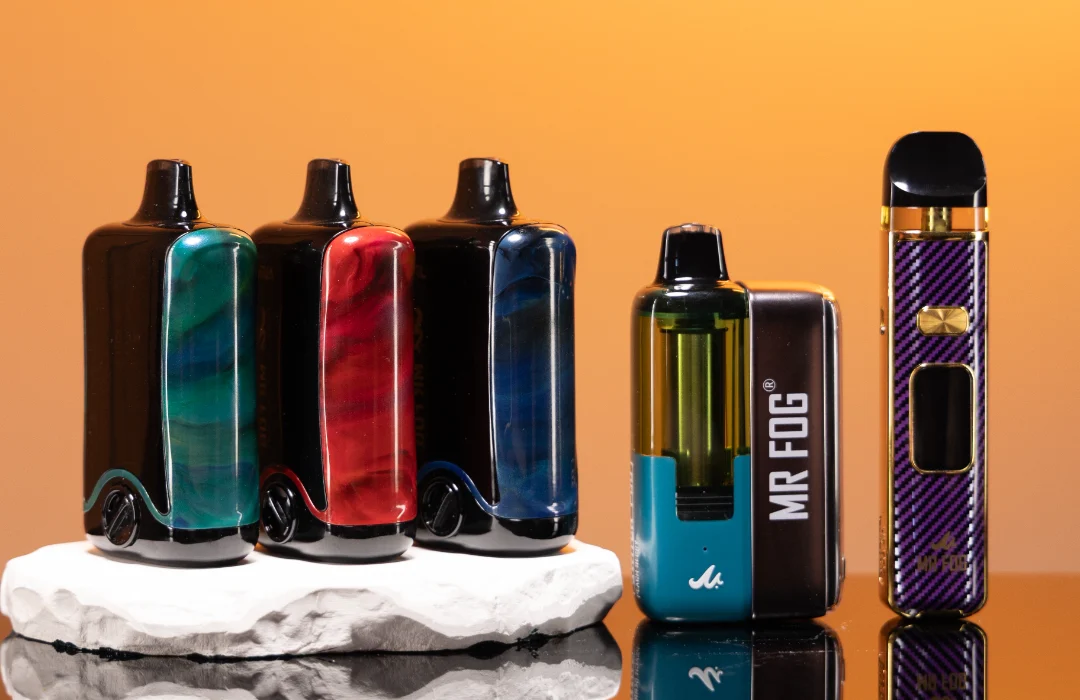
Can Dogs Smell Disposable Vapes?
They can smell what is in or on the disposable vape—not the idea of a disposable device itself.
A disposable vape may carry detectable traces from:
- nicotine e-liquid
- THC oil
- residue on the mouthpiece
- leaked liquid in packaging
- odor transferred to a bag or pocket
If the disposable contains a substance the dog is trained to detect, it can potentially be found. If it contains only a non-target odor, the dog may not care. This is why the question “can dogs smell disposable vapes?” depends less on the hardware and more on the fill material and residue.
Can K9 Dogs Smell Vapes Through Bags or Containers?
Often, yes.
Dogs detect airborne odor molecules, and scent can escape or transfer even when an item is zipped inside a bag, pocket, or case. Sealed packaging can reduce odor spread, but it does not necessarily eliminate it. Given how powerful canine scent detection is, even trace contamination on the exterior of a case or device may matter.
That is why common assumptions like “it’s hidden in my backpack, so a dog can’t smell it” are unreliable.
Can School Dogs Detect Vapes?
In many districts, yes—especially if schools use specialized nicotine/THC detection programs.
School systems across the United States have responded to youth vaping by adding both technology and canine enforcement. Some schools use vape detectors in bathrooms, while others use K9 teams specifically promoted for detecting liquid nicotine and liquid THC. Prince William County Public Schools, for example, publicly notes that vape detectors can be triggered by substances found in e-cigarettes such as nicotine or propylene glycol, showing how schools are actively focusing on vape-related substances rather than only traditional smoke.
That means the answer to “can school dogs detect vapes?” is increasingly yes—if the school invested in the right training program.
Are Airport Dogs Looking for Vapes?
Usually, no, not standard nicotine vapes.
TSA states that its airport canine teams are trained for explosives detection and work in terminals and checkpoints to identify explosive materials. CBP canine teams at borders and airports may also work narcotics, agriculture, or other contraband missions. In practice, that means airport dogs are usually not there to find ordinary nicotine devices.
That said, if a vape product contains controlled substances or if another violation is involved, the situation changes.
It is also worth noting that the FAA says vaping devices must be carried in carry-on baggage or on one’s person, not packed in checked luggage, because of lithium battery fire risk, and vaping on commercial aircraft is prohibited.
Common Myths About Dogs and Vapes
Myth 1: All dogs can smell all vapes
False. Dogs only alert to odors they were trained to identify. A bomb dog, a narcotics dog, and a school nicotine dog do not all work the same way.
Myth 2: Flavored vape juice hides the smell
Usually not. Fruit, mint, or candy flavoring may change the overall odor, but it does not automatically mask a trained target compound such as THC residue or nicotine-related liquid.
Myth 3: A sealed cartridge is invisible to dogs
Not reliably. Packaging can reduce odor spread, but dogs can still pick up escaping molecules or exterior contamination.
Myth 4: If it is legal, dogs won’t react
Legality and detectability are different issues. A dog may detect a trained odor whether the item is legal, illegal, restricted by policy, or simply prohibited in a certain place.
What Matters Most: Training, Substance, and Setting
If you want the clearest answer to can K9 dogs smell vapes, focus on these three variables:
1. Training
Was the dog trained for explosives, drugs, nicotine, THC, or something else?
2. Substance
Is the device carrying nicotine, cannabis oil, a flavored PG/VG liquid, or residue from past use?
3. Environment
A school sweep, airport screening, and private event security operation all use different canine programs and different priorities.
Those three factors determine whether a vape is likely to be detected.
Final Answer
So, can K9 dogs smell vapes?
Yes—if the device, pod, or cartridge contains an odor that the dog was trained to detect. That may include nicotine in specialized school programs, and it more commonly includes THC or other controlled substances in narcotics-detection settings. But dogs do not “detect all vapes” by default, and many airport or law enforcement canines are trained for explosives or narcotics rather than ordinary nicotine devices.
The most accurate takeaway is simple: dogs detect trained scent targets, not product categories.
 SWITCH POD
 AURA
AURA NOVA Apple Steezy
 NOVA Banana Steezy
 NOVA Popup Series
 NOVA Bubble Gang
 NOVA Lemon Steezy
 SWITCH POD
 AURA
AURA NOVA Series
 SWITCH 15000
 SWITCH 5500
 Blue Razz Steezy
 Mellow Man
 Apple Steezy
 Banana Steezy
 Berry Steezy
 DRT
DRT Nicotine Pouches