

 SWITCH POD
 AURA
AURA NOVA Apple Steezy
 NOVA Banana Steezy
 NOVA Popup Series
 NOVA Bubble Gang
 NOVA Lemon Steezy
 SWITCH POD
 AURA
AURA NOVA Series
 SWITCH 15000
 SWITCH 5500
 Blue Razz Steezy
 Mellow Man
 Apple Steezy
 Banana Steezy
 Berry Steezy
 DRT
DRT Nicotine Pouches
As vaping continues to rise across the United States, demand for vape detectors has increased significantly—especially in schools, hotels, and public facilities.
Many building managers and consumers ask a key question:
👉 If smoke detectors already exist, why are vape detectors needed?
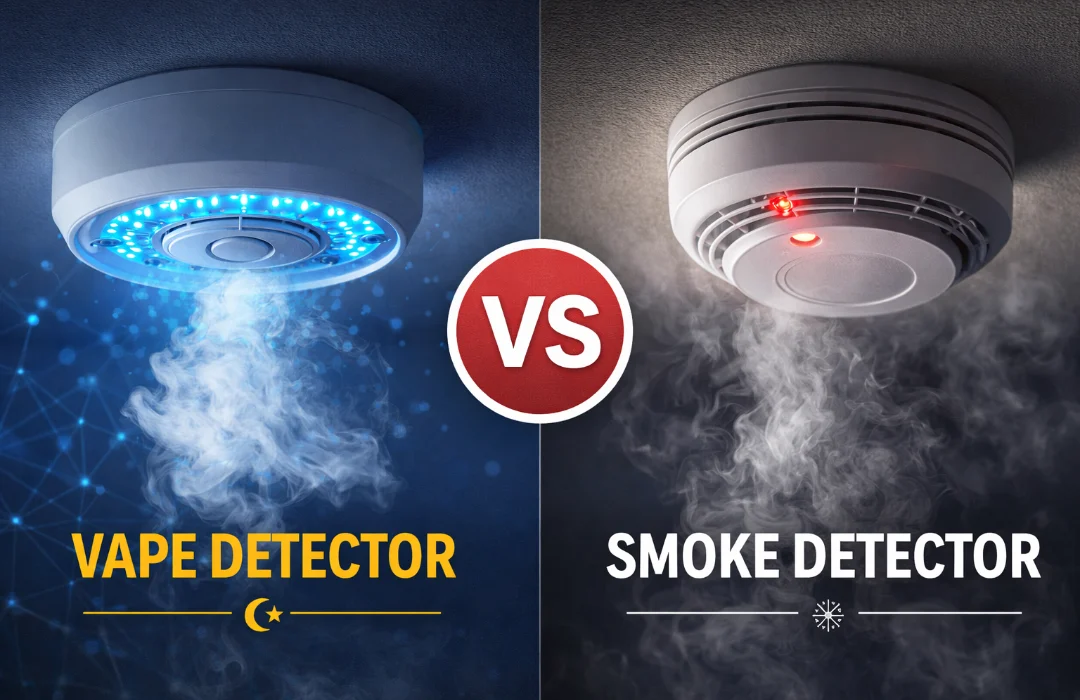
While both devices are designed to protect indoor environments, they serve very different purposes. Understanding the difference between a vape detector vs smoke detector is essential for choosing the right solution.
What Is a Vape Detector?
A vape detector is a specialized air quality monitoring device designed to detect:
- Vape aerosol particles
- Nicotine-related compounds
- Volatile organic compounds (VOCs)
- Changes in air composition
Unlike traditional alarms, vape detectors focus on identifying non-combustion vapor, which is much harder to detect.
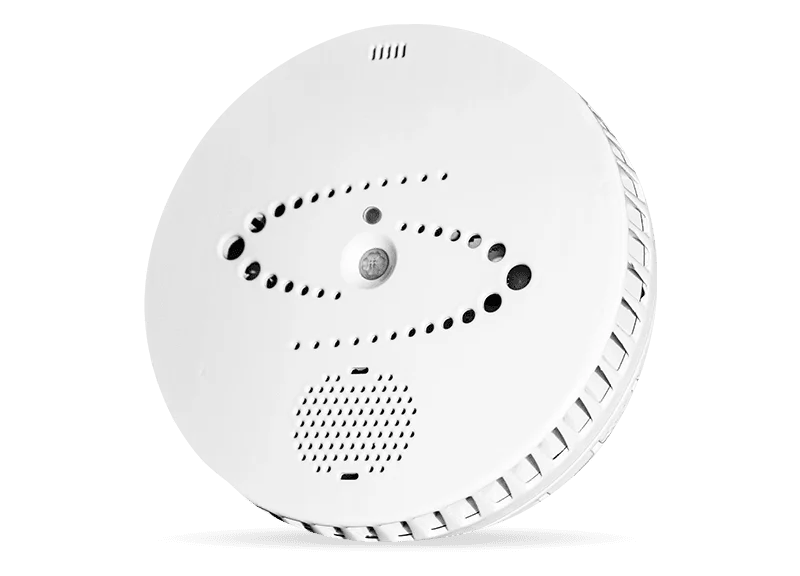
What Do Vape Detectors Look Like?
Many people ask:
👉 what does a vape detector look like?
Most devices resemble:
- Smoke detectors
- Motion sensors
- Small ceiling or wall-mounted units
They are designed to be discreet, especially in:
- School bathrooms
- Hotel rooms
- Offices
How Do Vape Detectors Work?
Core Technology
Modern vape detectors use multiple sensor systems:
1. Particle Detection (Laser Sensors)
Detects tiny aerosol particles produced by vaping.
2. Chemical Sensors
Identifies substances like:
- Nicotine
- Propylene glycol
- THC-related compounds
3. Gas & VOC Sensors
Measures abnormal chemical levels in the air.
4. Multi-Sensor Systems
High-end devices combine all technologies for better accuracy.
👉 This is why vape detectors for schools are highly effective.
What Is a Smoke Detector?
A smoke detector is designed to detect:
- Fire smoke
- Combustion particles
- Dangerous air changes caused by burning materials
Types of Smoke Detectors
Ionization Sensors
Detect fast-burning fires.
Photoelectric Sensors
Detect slow, smoldering fires.
Dual-Sensor Systems
Combine both technologies.
Vape Detector vs Smoke Detector: Key Differences
| Feature | Vape Detector | Smoke Detector |
|---|---|---|
| Purpose | Detect vape aerosol | Detect fire smoke |
| Detects vaping | ✅ Yes | ❌ No (usually) |
| Detects fire | ❌ No | ✅ Yes |
| Sensitivity | Very high (small particles) | Lower for vapor |
| Technology | Chemical + particle sensors | Ionization / optical |
| Alert type | Silent alerts / system alerts | Loud emergency alarm |
| Use cases | Schools, hotels, bathrooms | Homes, buildings |
Can Smoke Detectors Detect Vape?
👉 Usually, no
This is one of the most searched questions:
- do smoke detectors detect vape
- can a vape set off a smoke detector
Why They Don’t Trigger
Vape aerosol:
- Contains smaller particles
- Does not involve combustion
- Dissipates faster
However:
👉 In rare cases, heavy vapor clouds can trigger sensitive smoke alarms.
Do Vapes Set Off Metal Detectors?
Another common concern:
👉 do vapes go off in metal detectors?
Answer: Sometimes
Metal detectors can detect:
- Batteries
- Metal components
So:
- Disposable vapes → may trigger
- Small pod devices → less likely
Common Questions:
- can metal detectors detect vapes → Yes (due to metal parts)
- will a disposable vape go off in a metal detector → Possible
- do vapes go off in metal detectors at school → Yes, depending on sensitivity
Common Applications of Vape Detectors
With the growing popularity of vaping, more and more facilities are installing vape detectors to identify and prevent indoor vaping. These devices are commonly used in a variety of environments where maintaining clean air and enforcing no-vaping policies are essential.
Some of the most common locations include:
- Schools: Vape detectors in schools are typically installed in areas where students may attempt to vape discreetly, such as locker rooms and restrooms.
- Hospitals: In healthcare settings, vape detectors help protect patients—especially those with vulnerable health conditions—from potential exposure to vape aerosols.
- Commercial Buildings: Shopping centers and retail spaces often prohibit indoor vaping to ensure a comfortable environment for customers and staff, making vape detection systems increasingly common.
- Apartment Buildings: In high-density residential environments, vape detectors help property managers maintain indoor air quality and reduce false smoke alarms.
- Offices: Workplaces may install vape detectors to maintain a professional environment and promote a clean, shared workspace for employees.
- Public Spaces: Libraries, government buildings, and sports venues use vape detection systems to comply with public health and safety regulations.
Are Vape Detectors Accurate?
👉 Yes, especially modern ones
Accuracy depends on:
- Sensor quality
- Installation location
- Calibration
Do Vape Detectors Work?
👉 Yes.
They are specifically designed to detect:
- Vape aerosol
- Chemical compounds
- Air quality changes
However:
- They can sometimes detect steam
- Placement matters
Vape Detector for Home: Is It Worth It?
Some users search:
- vape detector for home
- portable vape detector
Home units exist but are less common than commercial systems.
They are useful for:
- Parents
- Property owners
- Air quality monitoring
Key Takeaway
👉 Vape detectors and smoke detectors are not interchangeable
- Smoke detectors = fire safety
- Vape detectors = air quality + policy enforcement
In modern environments, both systems may be needed.
Final Thoughts
As vaping continues to grow, so does the need for accurate detection technology.
Understanding the difference between a vape detector vs smoke detector helps:
- Schools protect students
- Hotels enforce policies
- Property owners maintain clean environments
Each device serves a distinct role—and together, they improve safety and air quality in today’s indoor spaces.
Frequently Asked Questions
What is the difference between a vape detector and a smoke detector?
A vape detector is built to detect vape aerosol and chemical changes in the air, while a smoke detector is designed to detect smoke from fire or combustion. They use different sensor technologies and serve different safety purposes.
Can smoke detectors detect vape?
Usually, no. Most smoke detectors are not designed to identify vape aerosol. In rare situations, large vapor clouds in a small enclosed space may trigger a sensitive smoke alarm.
How do vape detectors work?
Vape detectors use a combination of particle, gas, and chemical sensors to identify aerosol and compounds released by vaping. Some advanced devices also monitor air quality changes for better accuracy.
What do vape detectors look like?
Most vape detectors look like compact ceiling- or wall-mounted units, often similar in appearance to smoke detectors or motion sensors. They are designed to be discreet in places like schools, hotels, and bathrooms.
Do vape detectors work in school bathrooms?
Yes. School bathrooms are one of the most common places where vape detectors are installed because they are enclosed spaces where aerosol can accumulate and be detected more easily.
Do metal detectors detect vapes?
Sometimes. Vapes may trigger metal detectors because they contain batteries, metal coils, and internal hardware. Smaller devices may be less noticeable, but detection depends on the scanner and the device.
 SWITCH POD
 AURA
AURA NOVA Apple Steezy
 NOVA Banana Steezy
 NOVA Popup Series
 NOVA Bubble Gang
 NOVA Lemon Steezy
 SWITCH POD
 AURA
AURA NOVA Series
 SWITCH 15000
 SWITCH 5500
 Blue Razz Steezy
 Mellow Man
 Apple Steezy
 Banana Steezy
 Berry Steezy
 DRT
DRT Nicotine Pouches