

 SWITCH POD
 AURA
AURA NOVA Apple Steezy
 NOVA Banana Steezy
 NOVA Popup Series
 NOVA Bubble Gang
 NOVA Lemon Steezy
 SWITCH POD
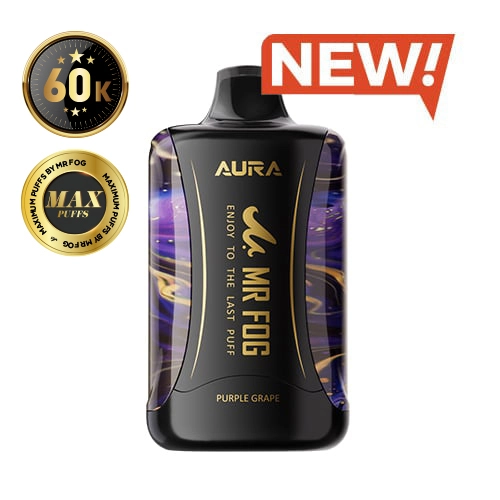 AURA
AURA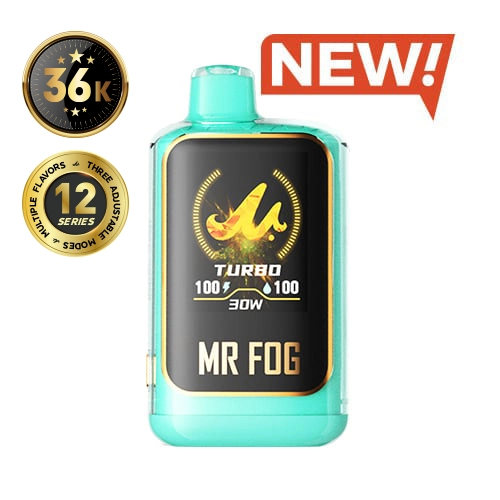 NOVA Series
 SWITCH 15000
 SWITCH 5500
 Blue Razz Steezy
 Mellow Man
 Apple Steezy
 Banana Steezy
 Berry Steezy
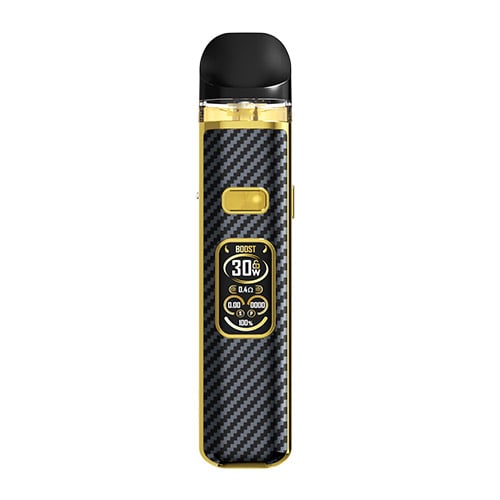 DRT
DRT Nicotine Pouches
What Does Low Resistance Mean in Vaping?
Whether you’re an experienced cloud chaser or a curious beginner, understanding the role of “low resistance” in vaping devices is crucial for your vaping journey.
Let’s explore how low resistance subtly affects heating, vapor production, and overall vaping performance.
Understanding Low Resistance in Vaping
At the heart of all vaping devices is the concept of resistance, measured in Ohms, which fundamentally determines how the device operates.
When we talk about “coil resistance,” we’re referring to how much the coil resists the electrical current from the vape battery, which determines the energy needed to heat e-liquid into vapor.
Low Resistance: Gateway to Rich Flavor and Plentiful Vapor
Typically, any coil with resistance below 1 Ohm (hence the term “sub-ohm vaping”) falls into this category.
Low resistance allows more current to flow through the coil, rapidly heating the e-liquid and producing warmer vapor, ultimately releasing the e-liquid’s full flavor profile and delivering a rich taste experience with every puff.
This rapid heating is crucial for producing dense, full vapor clouds – the visual and sensory enjoyment sought by experienced vapers and cloud enthusiasts.
The Science Behind Low Resistance Vaping
Low-resistance coils are the core component of vaping devices, determining e-liquid flavor, vapor production, and even affecting battery performance.
Let’s uncover the science behind low-resistance coils and understand how they become key elements in creating the ultimate vaping experience.
Coil Construction: Materials and Design
These low-resistance coils are typically made from materials like Kanthal, stainless steel, nickel, or titanium, often using thicker wire or multiple coils, designed to efficiently handle high temperatures.
Material choice significantly affects resistance value. For example, Kanthal is popular because it maintains stable resistance even when heated, making it ideal for consistent performance.
Its construction allows for larger surface area, meaning more e-liquid contacts the coil, which is crucial for flavor and vapor production.
Low Resistance Effects: Flavor Profile and Vapor Production
When it comes to e-liquid flavor, low-resistance coils are absolutely key.
These coils boast larger surface areas, meaning they vaporize more e-liquid with each inhalation, enhancing flavor intensity and richness.
More e-liquid is thoroughly “cooked,” releasing fuller flavors.
Low-resistance coils also significantly boost vapor production.
Higher temperatures and more complete e-liquid vaporization create denser, fluffier vapor clouds, delivering a visually impactful vaping experience.
Therefore, low-resistance coils are often the first choice for cloud chasers.
Balancing Battery Performance
Low resistance means vaping devices consume more power, as lower resistance means higher current, requiring more power to reach desired temperatures.
Consequently, users of low-resistance coils may find themselves charging devices more frequently.
This requires trade-offs – maximizing flavor and vapor production while sacrificing battery life.
So, what does low resistance mean for vaping? It means intense flavor and impressive vapor clouds, but also requires attention to battery usage.
This subtly blends material engineering, precision design, and deep understanding of vaping principles.

Low Resistance vs High Resistance Comparison
Each resistance level offers unique experiences, reflected in battery life, e-liquid consumption, throat hit, and suitability for different vapers.
Let’s compare these two experiences to help you make informed choices aligned with your vaping preferences.
1. Battery Usage
As mentioned earlier, low resistance requires more power to operate.
Since heating coils demand higher current, battery power depletes faster, meaning more frequent charging, which might be less suitable for frequent travelers or those preferring extended, uninterrupted vaping sessions.
On the other hand, high resistance modes are more conservative with power demands.
Higher resistance means less current drawn from the battery, extending battery life, making it more suitable for vapers prioritizing battery longevity over intense heating and vapor production.
2. E-liquid Consumption
Low-resistance atomizers, due to larger surface areas and higher heat, tend to vaporize more e-liquid per inhalation.
As previously mentioned, this can deliver richer flavor experiences but also means you’ll need to refill e-liquid more frequently.
For vapers who enjoy experimenting with various flavors and don’t mind extra e-liquid expenses, low resistance can be an attractive advantage.
In contrast, high resistance conserves e-liquid, heating less e-liquid per puff, making e-liquid last longer, beneficial for vapers preferring gentler vaping experiences or those mindful of e-liquid budgets.
3. Throat Hit
Throat hit is a subjective aspect of vaping but is noticeably influenced by coil resistance.
Low resistance tends to produce warmer vapor, resulting in smoother, silkier throat hits.
Conversely, high resistance is known for stronger, more pronounced throat hits.
This might be more appealing to Mouth-to-Lung (MTL) vapers who seek sensations similar to traditional cigarettes.
4. Vaping Style
Low resistance is typically favored by experienced Direct-Lung (DL) vapers seeking rich flavor and large vapor clouds.
High resistance is more suitable for beginners or those preferring more discreet, gentler vaping experiences.
They’re easier to operate with longer battery life and lower e-liquid consumption.
The Role of Low Resistance in Sub-Ohm Vaping
The term “sub-ohm vaping” resonates with both cloud chasers and flavor pursuers, representing the cutting edge of advanced vaping technology.
This technique’s core lies in using low resistance, specifically atomizers with resistance below 1 Ohm, hence the name “sub-ohm.”
Massive Vapor Clouds
When low-resistance coils receive sufficient power, they heat e-liquid faster, producing denser vapor.
The underlying physics is simple yet fascinating. Lower resistance allows more current through the coil, generating more heat.
More heat means more vapor – this is where sub-ohm vaping excels.
Flavor Enhancement Factor
Higher temperatures and vapor volumes more fully release e-liquid flavors, delivering richer, more immersive vaping experiences.
Experienced vapers often notice that e-liquid flavors become more vibrant and distinct when using sub-ohm devices, testifying to low resistance’s exceptional efficacy in flavor delivery.
Attracting Experienced Vapers
Sub-ohm vaping, with its astonishing vapor production and superior flavor, often attracts experienced vapers who treat it as a hobby, passion, or form of self-expression.
Sub-ohm vaping requires expertise in device operation and maintenance, plus understanding of battery safety and Ohm’s Law.
In this realm, technical knowledge, skill, and pursuit of high-quality vaping experiences perfectly converge.
For users seeking convenient low-resistance experiences, MR FOG offers a range of disposable vapes and pod systems featuring low-resistance technology, delivering rich flavor and impressive vapor without complex setups.
Beginner’s Guide to Sub-Ohm Vaping
Starting with low-resistance vaping might seem daunting initially, but with proper guidance, it can become a safe and enjoyable experience.
1. Understanding Basics
Resistance and Ohms: Vape coil resistance is measured in Ohms. Low resistance below 1 Ohm (sub-ohm) allows batteries to deliver more current, heating coils faster.
Battery Safety: Ensure your vaping device battery can handle higher power demands from low-resistance coils.
E-liquid Selection Considerations: Choose e-liquids matching your flavor preferences and consider PG/VG ratios for optimal experience.
2. Starting Sub-Ohm Vaping Safely
Choose Suitable Equipment: For beginners, regulated mods with built-in safety features are recommended.
These devices offer protections like overheat cutoff and short-circuit protection, making them safer for newcomers.
Understand Your Device: Familiarize yourself with device settings. Learn how to adjust power and understand displayed readings like battery level and coil resistance.
Start with Higher Resistance: Even if your goal is sub-ohm vaping, starting with slightly higher resistance (closer to 1 Ohm) is advised.
This helps you adapt to vapor volume and temperature before trying lower resistances.
3. Recommended Beginner Low-Resistance Setups
Starter Kits: Look for beginner-friendly starter kits specifically designed for sub-ohm vaping.
These kits include everything needed and are calibrated for safe, enjoyable use.
For example, MR FOG‘s pod system kits are designed for low-resistance vaping with simple operation, perfect for beginners.
Pre-made Coils: Using pre-made coils initially is recommended. They’re convenient and eliminate coil-building hassles. Choose coils with power ratings matching your device.
Adjustable Airflow: Select atomizers with adjustable airflow. This feature lets you control vapor temperature and density, making it easier to find your comfort zone.
Start with Low Power: Begin at the lower end of your coil’s recommended power range.
As you adapt to vapor volume and temperature, you can gradually increase power.
Frequently Asked Questions About Vaping Resistance
Q1: What’s the best resistance for vaping?
The “best” resistance for vaping is subjective, largely depending on personal preference. Generally:
-
For rich flavor and dense vapor: Low-resistance coils (below 1 Ohm) are recommended.
-
For extended battery life and e-liquid efficiency: High-resistance coils (above 1 Ohm) are ideal.
Q2: How to clean vape coil resistance?
Cleaning vape coils:
-
Remove the coil: Disassemble the atomizer and remove the coil.
-
Soak in warm water or alcohol: Place the coil in warm water or propylene glycol. Some vapers use ethanol or vodka for deep cleaning.
-
Rinse and dry: After soaking, rinse the coil with warm water. Ensure complete drying before reassembly. Air drying for 24 hours is recommended.
Remember, while cleaning can extend coil life, it’s not a permanent solution. Coils still need regular replacement.
Q3: How to troubleshoot atomizer resistance issues?
-
Check if the coil is properly installed and if the tank is correctly screwed onto the mod.
-
Clean contacts on both the tank and mod.
-
If resistance readings remain incorrect, replace the coil.
-
Update firmware, as updates can resolve resistance reading issues.
-
If these steps don’t work, consult professionals or visit a vape shop.
As our exploration of low resistance concludes, it’s clear that vaping is more than just a pastime – it’s a journey blending technology, personal preference, and scientific principles.
Whether you’re a beginner or experienced vaper, understanding your device’s resistance role is key to tailoring your vaping experience to your needs.
As you continue or begin your vaping journey, remember the insights and tips shared in this guide.
 SWITCH POD
 AURA
AURA NOVA Apple Steezy
 NOVA Banana Steezy
 NOVA Popup Series
 NOVA Bubble Gang
 NOVA Lemon Steezy
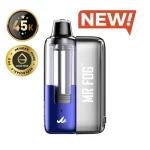 SWITCH POD
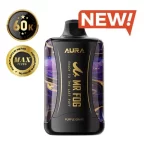 AURA
AURA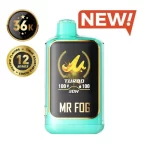 NOVA Series
 SWITCH 15000
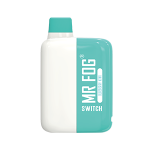 SWITCH 5500
 Blue Razz Steezy
 Mellow Man
 Apple Steezy
 Banana Steezy
 Berry Steezy
 DRT
DRT Nicotine Pouches