

 SWITCH POD
 AURA
AURA NOVA Apple Steezy
 NOVA Banana Steezy
 NOVA Popup Series
 NOVA Bubble Gang
 NOVA Lemon Steezy
 SWITCH POD
 AURA
AURA NOVA Series
 SWITCH 15000
 SWITCH 5500
 Blue Razz Steezy
 Mellow Man
 Apple Steezy
 Banana Steezy
 Berry Steezy
 DRT
DRT Nicotine Pouches
Walk through any major city today and vaping is nearly impossible to miss. From compact pod systems to high-capacity disposable devices, vaping has become a global industry. But one question continues to surface:
When did the first vape come out?
The answer isn’t as simple as one year or one inventor. The modern vape we recognize today is the result of nearly a century of innovation, experimentation, and technological progress.
Let’s explore the full history.
The Short Answer: When Did the First Vape Come Out?
The first commercially successful modern vape was introduced in 2003 by Chinese pharmacist Hon Lik.
However, early concepts and prototypes of electronic cigarettes date back much earlier—beginning in the 1920s and 1960s.
To fully understand the origins of vaping, we need to go back further.
The Early Origins of Electronic Vapor Devices
1927 – The First Known Patent
The earliest documented concept resembling an e-cigarette was filed in 1927 by Joseph Robinson.
Robinson patented an “electric vaporizer” intended to deliver medicinal compounds through inhalation. While innovative, it was not developed into a commercial product.
Still, it introduced the core idea of inhaling vapor instead of smoke.
1963 – Herbert A. Gilbert’s Smokeless Cigarette
If you ask, who invented the vape?, the name Herbert A. Gilbert deserves serious recognition.
In 1963, Gilbert patented a “smokeless non-tobacco cigarette” device. His invention:
-
Heated flavored liquid
-
Produced vapor instead of smoke
-
Contained no tobacco
This design closely resembled modern vape devices in principle.
However, several factors prevented commercial success:
-
Limited battery technology
-
Low public awareness of smoking risks
-
Lack of market readiness
Gilbert’s invention was ahead of its time.
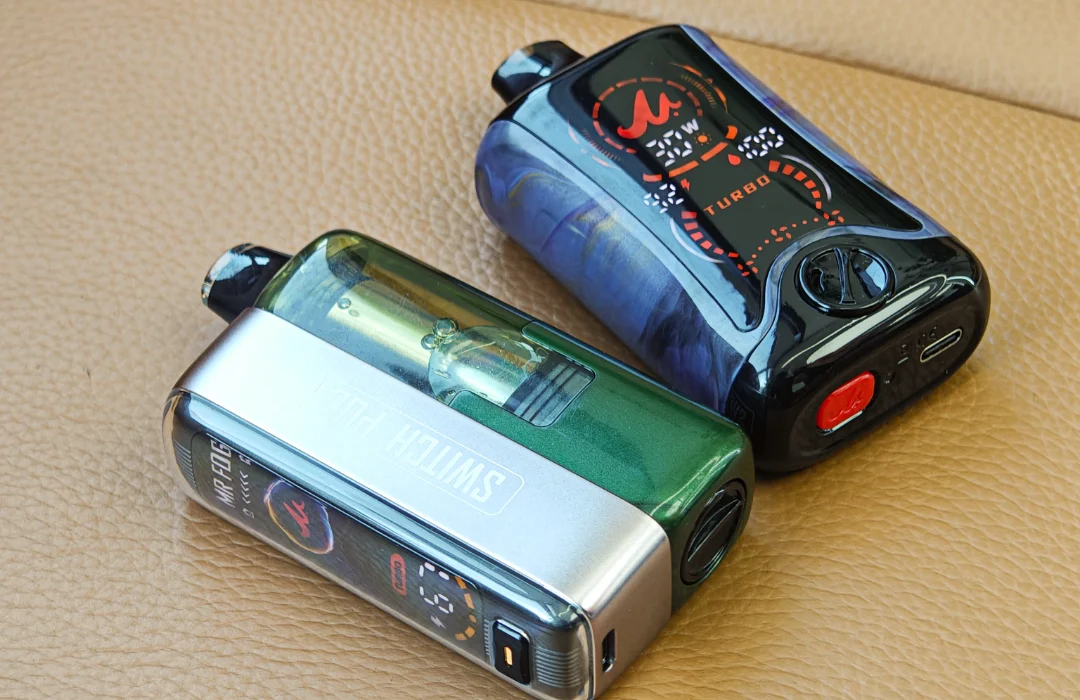
When Were Vapes Invented in a Commercial Sense?
While earlier devices existed, modern vaping as we know it began in the early 2000s.
2003 – The Modern Vape Is Born
In 2003, Chinese pharmacist Hon Lik developed the first practical electronic cigarette after losing his father to lung cancer.
His goal was to create a safer alternative to combustible tobacco.
Hon Lik’s device featured:
-
A battery
-
A heating element (atomizer)
-
A liquid solution containing nicotine
-
A vapor production system
This device was marketed under the brand name Ruyan, which translates to “like smoke.”
This is widely recognized as the moment modern vaping began.
2006–2007: Vapes Enter Global Markets
By 2006, Ruyan products began expanding into:
-
Europe
-
The Middle East
-
The United States
In 2007, e-cigarettes officially entered the U.S. market, leading to rapid growth.
At this point, devices became more advanced:
-
Rechargeable batteries
-
Replaceable atomizers
-
Refillable cartridges
This period marked the beginning of widespread consumer adoption.
The 2010s: Rapid Innovation and Market Expansion
Between 2010 and 2015, vaping technology evolved dramatically.
Innovations included:
-
Sub-ohm tanks
-
Variable wattage devices
-
Temperature control mods
-
Pod systems
-
Nicotine salt formulations
The industry shifted from simple cigarette-like devices to highly customizable vaping systems.
By the mid-2010s, vaping had become a global phenomenon.
The Global Rise of Vaping
By 2020, estimates suggested:
-
Over 60 million users worldwide
-
A multi-billion-dollar global market
-
Rapid innovation in hardware and e-liquid design
Disposable devices and compact pod systems began dominating the market due to convenience and portability.
Why Did It Take So Long for Vaping to Succeed?
Although the concept existed in the 1960s, several key barriers delayed success:
1️⃣ Battery Technology
Early battery systems were inefficient and bulky.
2️⃣ Public Awareness
Smoking risks were not widely acknowledged in the mid-20th century.
3️⃣ Regulatory Barriers
In the 1990s, major tobacco companies attempted alternative products but faced regulatory resistance.
4️⃣ Manufacturing Scale
Modern globalized manufacturing made compact devices feasible.
It wasn’t until the early 2000s that technology, public demand, and supply chains aligned.
The Evolution of Vaping Technology
Modern devices now feature:
-
High-capacity batteries
-
Advanced mesh heating
-
Adjustable airflow
-
Smart chipsets
-
High puff counts (up to tens of thousands)
Compared to early prototypes, today’s devices are smaller, more efficient, and more refined.
The Future of Vaping
Looking ahead, the industry is trending toward:
-
Smaller, more portable devices
-
Greater transparency in ingredients
-
Improved safety features
-
Sustainable production
-
Enhanced flavor engineering
As technology evolves, the next chapters of vaping history are still being written.
Final Answer: When Did the First Vape Come Out?
To summarize:
-
1927: First vaporizer patent (Joseph Robinson)
-
1963: Smokeless cigarette patent (Herbert Gilbert)
-
2003: First modern commercial vape (Hon Lik)
-
2006–2007: Global market expansion
While early versions existed decades earlier, the vape industry as we know it began in 2003.
Frequently Asked Questions
Who invented the first vape?
Herbert A. Gilbert patented a smokeless cigarette in 1963, but Hon Lik created the first commercially successful modern vape in 2003.
When were vapes invented?
Conceptually in the 1920s, patented in the 1960s, and commercially realized in 2003.
What was the first electronic cigarette called?
Ruyan, created by Hon Lik.
Are modern vapes the same as early models?
No. Today’s devices use advanced heating systems, improved battery technology, and customizable settings.
 SWITCH POD
 AURA
AURA NOVA Apple Steezy
 NOVA Banana Steezy
 NOVA Popup Series
 NOVA Bubble Gang
 NOVA Lemon Steezy
 SWITCH POD
 AURA
AURA NOVA Series
 SWITCH 15000
 SWITCH 5500
 Blue Razz Steezy
 Mellow Man
 Apple Steezy
 Banana Steezy
 Berry Steezy
 DRT
DRT Nicotine Pouches