Understanding Vape Regulations in Canada: A Comprehensive Guide
vape regulations CanadaNavigating the landscape of vape regulations Canada has become increasingly important for manufacturers, retailers, and consumers alike. With Health Canada implementing strict guidelines under the Tobacco and Vaping Products Act (TVPA), understanding these rules is essential for legal compliance and safe usage. Whether you’re a manufacturer producing vape devices, a retailer selling disposable vape products, or a consumer choosing your next device, this guide breaks down the key regulations you need to know. We’ll explore nicotine concentration limits, packaging requirements, licensing procedures, and enforcement measures that define Canada’s regulatory framework. By the end of this article, you’ll have a clear understanding of how these rules impact the market and what you need to do to stay compliant.The evolution of vape regulations Canada began in response to growing public health concerns, particularly regarding youth access and nicotine addiction. In 2018, the government introduced the Tobacco and Vaping Products Act (TVPA), which established a comprehensive framework for regulating vaping products across the country. This legislation was further refined through subsequent regulations that addressed specific aspects like nicotine concentration, packaging standards, and marketing restrictions. The primary goal of these regulations is to balance harm reduction for adult smokers seeking alternatives to combustible tobacco while protecting young people and non-users from initiating nicotine use.Understanding the regulatory landscape requires familiarity with several key legislative components. The vape regulations Canada framework consists of multiple layers of rules under different acts, including the TVPA itself, the Canada Consumer Product Safety Act (CCPSA), and various specific regulations addressing labelling, nicotine concentration, and promotion. These regulations apply to all aspects of the vaping industry, from manufacturing and importation to retail sales and marketing. For businesses operating in this space, compliance is not optional—Health Canada conducts regular inspections and imposes significant penalties for violations, including product seizures, fines, and potential prosecution.
Nicotine Concentration Limits in Canada
One of the most significant aspects of vape regulations Canada is the strict limit on nicotine concentration in vaping products. The Nicotine Concentration in Vaping Products Regulations (NCVPR) established a maximum allowable nicotine concentration of 20mg/mL for all vaping products manufactured or imported for sale in Canada. This regulation applies to all types of vape devices, including both refillable systems and single-use disposable vape products. The limit was implemented based on public health considerations, aiming to reduce the risk of nicotine addiction, particularly among young people and non-smokers .The 20mg/mL limit applies to the nicotine concentration in the final product as available to consumers. Manufacturers must ensure that their products do not exceed this threshold at any point during production, packaging, or sale. Health Canada uses the ISO 20714 standard analytical method to test products for compliance, though manufacturers may use other validated testing methods for their quality assurance processes. It’s worth noting that Health Canada specifically recommends that manufacturers aim slightly below the 20mg/mL limit in their formulations to account for potential variations during production, thus avoiding accidental non-compliance due to minor measurement errors .For consumers, this regulation means that regardless of the type of vape devices they purchase—whether advanced mod systems or convenient disposable vape options—they can be assured that the nicotine content will not exceed the 20mg/mL limit. This provides a measure of safety and consistency across products while still allowing for effective nicotine delivery for adult smokers seeking alternatives to traditional tobacco products. Manufacturers must display the nicotine concentration prominently on product packaging using standardized terminology to ensure consumers can make informed choices .
Packaging and Labelling Requirements
The vape regulations Canada include detailed specifications for packaging and labelling through the Vaping Products Labelling and Packaging Regulations (VPLPR). These rules mandate specific elements that must appear on all vaping products sold in the Canadian market. First and foremost, products containing nicotine must display a standardized health warning that covers the top 30% of the principal display panel of the product package. This warning must be in both English and French, reflecting Canada’s official languages requirement, and must include a brief message about the addictive nature of nicotine .Beyond health warnings, the vape regulations Canada require that all vaping products utilize child-resistant containers to prevent accidental exposure to nicotine, which can be particularly dangerous for children. The packaging must also feature a toxicity warning symbol if the product contains nicotine, alerting consumers to the potential hazards if ingested. Additionally, all ingredients must be listed on the packaging, allowing consumers with sensitivities or allergies to make informed decisions. These requirements apply equally to all types of vape devices, from complex modular systems to simple disposable vape products, ensuring consistent safety standards across the market .For manufacturers and retailers, these packaging regulations entail specific operational considerations. The child-resistant requirement means that packaging must be tested and certified to meet technical standards that make it difficult for children under five years old to open. Meanwhile, the labelling specifications dictate not only the content but also the size, placement, and contrast of the required text and symbols. These vape regulations Canada are enforced through Health Canada’s inspection program, which includes verifying that products on the market comply with all packaging and labelling standards. Non-compliant products may be subject to removal from the market and other enforcement actions .
Licensing and Compliance Requirements
Businesses operating in the vaping industry must navigate specific licensing requirements under vape regulations Canada. According to the Excise Act, 2001, any person or company that manufactures vaping products in Canada must obtain a vaping product licence from the Canada Revenue Agency (CRA). Similarly, importers bringing vaping products into Canada for stamping也必须 obtain the appropriate licensing. The licensing process involves submitting a comprehensive application that includes a business plan, financial projections, and details about manufacturing premises and processes .The licensing requirements under vape regulations Canada also include financial security obligations. Applicants must provide financial security in an amount sufficient to cover potential duties payable, with minimums set at 5,000andmaximumscappedat5 million. This security can be provided in various forms, including bank drafts, certified cheques, or surety bonds. The purpose is to ensure that the government can collect applicable duties even if the business encounters financial difficulties. This aspect of vape regulations Canada is particularly important for businesses dealing with vape devices of all types, including disposable vape products, as non-compliance can result in license suspension or revocation .Beyond initial licensing, vape regulations Canada impose ongoing compliance obligations. Licensed businesses must maintain detailed records of their manufacturing and sales activities, submit regular reports to Health Canada regarding ingredients and sales volumes, and allow inspections of their facilities. The vaping product licence is typically valid for up to three years but must be renewed before expiration to maintain legal operating status. These requirements ensure that regulators can monitor compliance with all aspects of vape regulations Canada, from nicotine limits to marketing restrictions, creating a traceable and accountable system for vaping product oversight .
Restrictions on Promotion and Marketing
The vape regulations Canada include significant restrictions on how vaping products can be promoted and marketed to consumers. The Vaping Products Promotion Regulations (VPPR) prohibit any promotion that could be appealing to young persons, including the use of certain flavors, colors, or marketing themes that might attract minors. Additionally, lifestyle advertising—which associates vaping with success, excitement, or social status—is strictly forbidden. These restrictions apply across all media channels, including television, radio, print, and digital platforms, ensuring consistent application of vape regulations Canada regardless of marketing venue .When it comes to point-of-sale promotions, vape regulations Canada allow some limited advertising but with important caveats. Retailers can provide information about vaping products and their availability, but this information cannot be designed to appeal primarily to young people. Signage inside stores where vaping products are sold must comply with size and content restrictions, and exterior advertising that can be seen from outside the premises is generally prohibited. These rules aim to balance adult access to information about vape devices while limiting exposure to young people who might be influenced to take up vaping .For manufacturers and retailers, understanding the nuances of these marketing restrictions is crucial for compliance with vape regulations Canada. Health Canada provides specific guidance on what constitutes prohibited versus permitted promotion, including examples of acceptable and unacceptable marketing practices. The regulations also require that all vaping product advertising include specific health information about the product’s nicotine content and addictive properties. These vape regulations Canada are actively enforced through Health Canada’s monitoring program, which includes reviewing advertising materials and conducting inspections of retail establishments to ensure compliance with all promotional restrictions .
Provincial Variations and Additional Requirements
While vape regulations Canada establish a federal framework, provinces and territories have implemented additional rules that further restrict vaping product access and use. These regional variations mean that businesses operating in multiple jurisdictions must navigate a patchwork of requirements beyond the federal standards. For example, several provinces have implemented flavor restrictions that go beyond federal rules, with some banning all flavors except tobacco and mint/menthol. These provincial regulations create additional compliance challenges for manufacturers and retailers of vape devices and disposable vape products .The vape regulations Canada framework also includes a coordinated vaping duty system with “specified vaping provinces.” These provinces—which include Ontario, Quebec, British Columbia, and others—impose additional excise duties on vaping products beyond the federal rate. Businesses operating in these jurisdictions must comply with both federal and provincial tax obligations, including obtaining appropriate licensing and remitting the correct duties. The specified province system means that the tax treatment of vape devices can vary significantly depending on where they are sold, adding complexity to distribution and pricing strategies for manufacturers and retailers .At the municipal level, some cities have implemented their own restrictions on where vaping products can be used or sold. These local regulations may include bans on vaping in public places, restrictions on retail density (limiting how close vape shops can be to schools or other sensitive areas), and additional licensing requirements. While vape regulations Canada establish the federal baseline, businesses must research and comply with all applicable provincial, territorial, and municipal requirements. Health Canada provides resources to help stakeholders understand these layered regulations, but ultimate responsibility for compliance rests with the businesses operating in this space .
Compliance and Enforcement Mechanisms
Health Canada maintains an active compliance and enforcement program to ensure adherence to vape regulations Canada. This program includes regular inspections of manufacturers, importers, and retailers to verify compliance with all aspects of the regulations. During these inspections, Health Canada officials may review records, examine products and packaging, and collect samples for laboratory testing. The frequency and intensity of these inspections are based on a risk-based approach, with businesses that have a history of non-compliance or that operate in high-risk categories subject to more frequent scrutiny .When violations of vape regulations Canada are identified, Health Canada has a range of enforcement tools at its disposal. For minor or first-time violations, inspectors may issue a warning letter outlining the non-compliance and providing a timeline for corrective action. For more serious violations, or when businesses fail to address identified issues, enforcement actions can include product seizures, mandatory recalls, administrative monetary penalties, and in extreme cases, prosecution. The specific enforcement response depends on factors such as the nature and severity of the violation, the compliance history of the business, and the potential risk to public health .Businesses subject to vape regulations Canada should implement robust compliance systems to minimize their risk of violations. This includes regular internal audits of practices and procedures, staff training on regulatory requirements, and maintaining detailed records that demonstrate compliance. Health Canada provides various resources to help businesses understand their obligations, including guidance documents, information sessions, and direct access to regulatory experts. Taking advantage of these resources can help businesses navigating the complex landscape of vape regulations Canada avoid the significant consequences of non-compliance, which can include reputational damage, financial penalties, and even loss of operating licenses .
Impact on Consumers and the Market
The comprehensive framework of vape regulations Canada has significant implications for both consumers and the vaping market. For adult smokers seeking alternatives to combustible tobacco, the regulations provide assurance that legally available products meet specific safety and quality standards. The nicotine concentration cap, while limiting options for heavy smokers, helps prevent excessively high nicotine exposure that could increase addiction potential. Meanwhile, the packaging and labelling requirements ensure consumers have access to important health and safety information before using vape devices or disposable vape products .For the vaping industry, vape regulations Canada have necessitated significant adjustments to business practices and product offerings. The compliance burden, particularly around licensing, reporting, and manufacturing standards, has created barriers to entry that favor established companies over smaller operators. Some manufacturers have reformulated products to comply with the 20mg/mL nicotine limit, while others have exited the Canadian market entirely. These market shifts have changed the competitive landscape and product availability, influencing everything from the types of vape devices available to the flavor options consumers can legally access .Looking forward, vape regulations Canada continue to evolve in response to emerging evidence and changing usage patterns. Health Canada regularly reviews the regulatory framework and has committed to ongoing monitoring of the vaping market’s development. Future regulatory changes may address emerging issues such as environmental concerns related to disposable vape waste, new product technologies, or evolving patterns of youth use. Both consumers and industry participants should stay informed about regulatory developments to ensure ongoing compliance and awareness of how vape regulations Canada may continue to shape the market landscape .
Conclusion: Navigating the Regulatory Landscape
Understanding and complying with vape regulations Canada is essential for all participants in the vaping ecosystem—from manufacturers and retailers to consumers. These regulations, while complex, serve important public health objectives by promoting product safety, restricting youth access, and providing clear guidelines for market participants. By familiarizing themselves with the key requirements around nicotine concentration, packaging, licensing, and marketing, businesses can avoid compliance missteps while consumers can make more informed choices about the vape devices and disposable vape products they use .The framework of vape regulations Canada represents a careful balance between enabling harm reduction for adult smokers while protecting vulnerable populations from unnecessary nicotine exposure. As the evidence base around vaping continues to develop, these regulations will likely continue to evolve through a process of ongoing review and adjustment. Staying current with these changes requires vigilance and engagement with regulatory updates from Health Canada and other relevant authorities. Whether you’re a business operating in this space or a consumer navigating product choices, understanding vape regulations Canada is the first step toward compliant and informed participation in the Canadian vaping market .

 SWITCH POD
 AURA
AURA NOVA Apple Steezy
 NOVA Banana Steezy
 NOVA Popup Series
 NOVA Bubble Gang
 NOVA Lemon Steezy
 SWITCH POD
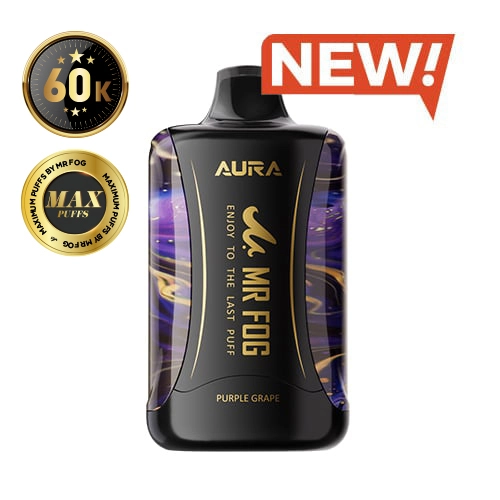 AURA
AURA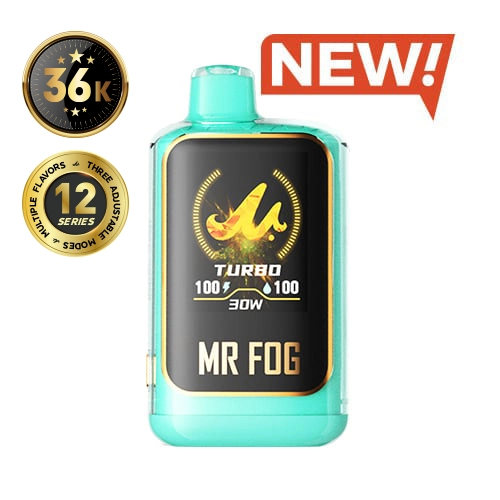 NOVA Series
 SWITCH 15000
 SWITCH 5500
 Blue Razz Steezy
 Mellow Man
 Apple Steezy
 Banana Steezy
 Berry Steezy
 DRT
DRT Nicotine Pouches



 SWITCH POD
 AURA
AURA NOVA Apple Steezy
 NOVA Banana Steezy
 NOVA Popup Series
 NOVA Bubble Gang
 NOVA Lemon Steezy
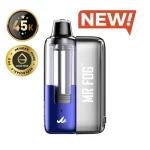 SWITCH POD
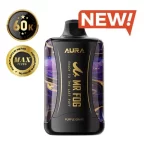 AURA
AURA NOVA Series
 SWITCH 15000
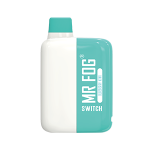 SWITCH 5500
 Blue Razz Steezy
 Mellow Man
 Apple Steezy
 Banana Steezy
 Berry Steezy
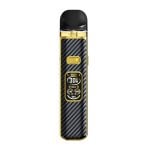 DRT
DRT Nicotine Pouches