Vape Trends Canada 2025: What’s Shaping the Market
vape trends Canada 2025The Canadian vaping landscape continues to evolve rapidly in 2025, influenced by a combination of consumer preferences, regulatory changes, and technological advancements. For industry observers and participants alike, understanding the vape trends Canada 2025 brings into focus helps navigate both opportunities and challenges. This year, we see a noticeable shift toward nicotine-free products, greater emphasis on sustainability, and more sophisticated vape devices designed for both convenience and performance. Additionally, regulatory developments at federal and provincial levels continue to shape market dynamics, affecting everything from flavor availability to packaging standards. In this article, we explore the key trends defining the Canadian vaping experience in 2025, offering insights into what’s driving change and how these developments might influence your choices as a consumer or business operator. Whether you’re interested in the latest disposable vape innovations or broader market movements, understanding these trends provides valuable context for the year ahead.
Movement Toward Nicotine-Free and Reduced-Nicotine Options
A significant trend gaining momentum in 2025 is the growing consumer preference for nicotine-free or reduced-nicotine vaping products. This shift is largely driven by increased health awareness and a desire for more control over nicotine intake. Health Canada’s ongoing public health campaigns and regulatory guidance have further encouraged this trend, with many manufacturers expanding their lines to include options that cater to this demand. Market analyses indicate that over 30% of new product launches in early 2025 featured either low-nicotine or zero-nicotine formulations, a notable increase from previous years.The rise of nicotine-free vaping aligns with a broader wellness orientation among consumers, who are increasingly treating vaping as a recreational activity rather than solely as a smoking alternative. For many users, the focus is shifting from nicotine delivery to the sensory experience—flavor enjoyment and the social aspect of vaping. Companies are responding by developing sophisticated flavor profiles that remain satisfying even without nicotine, using advanced flavorants and improved vape devices to ensure a rich experience. This trend is particularly evident in the disposable vape segment, where nicotine-free versions of popular flavors are becoming widely available.Looking forward, the nicotine-free movement appears poised for continued growth. Industry forecasts suggest that by the end of 2025, nicotine-free options could account for nearly 20% of the overall Canadian vaping market, up from approximately 12% in 2024. This trend reflects a maturing market where consumers are making more deliberate choices about their consumption habits, balancing enjoyment with health considerations.
Sustainability and Environmental Considerations Take Center Stage
Environmental concerns have become a major factor influencing the Canadian vaping market in 2025, with sustainability emerging as a key trend across product categories. Consumers are increasingly conscious of the environmental impact of vape devices, particularly single-use products. This has led to growing demand for eco-friendly alternatives, including devices with recyclable components, reduced packaging, and longer lifespans. Industry surveys indicate that over 60% of Canadian vapers now consider environmental factors when making purchasing decisions, a significant increase from just two years ago.Manufacturers are responding to these concerns through several innovative approaches. Many are introducing recycling programs for their products, while others are developing more durable vape devices designed for extended use rather than rapid disposal. In the disposable vape category, which has faced particular scrutiny over waste issues, companies are exploring biodegradable materials and modular designs that allow for partial reuse. These efforts align with broader environmental regulations taking effect across Canada, including extended producer responsibility frameworks that hold manufacturers accountable for the entire lifecycle of their products.The sustainability trend extends beyond physical products to encompass corporate practices and supply chain transparency. Many companies are now publishing sustainability reports and highlighting their environmental credentials in marketing materials. This shift reflects a growing recognition that eco-consciousness is not just a peripheral concern but a central factor in brand perception and consumer loyalty. As regulatory pressure increases and consumer expectations evolve, sustainable practices are likely to become increasingly integrated into product development and business operations across the Canadian vaping industry.
Flavor Innovation Amid Regulatory Constraints
The flavor landscape in Canada’s vaping market continues to evolve in 2025, with innovation occurring within an increasingly complex regulatory framework. While some provinces have implemented restrictions on certain flavor categories, particularly those perceived as appealing to youth, manufacturers are responding with sophisticated new offerings that comply with regulations while still meeting consumer demand for variety and quality. Current vape trends Canada 2025 data reveals that fruit flavors maintain their popularity, but there’s growing interest in more complex profiles, including beverage-inspired blends and nuanced botanical combinations.The regulatory environment varies significantly across provinces, creating a patchwork of flavor availability nationwide. For instance, while some regions permit a wide range of flavors, others have implemented restrictions that limit options primarily to tobacco, mint, and menthol varieties. This has prompted manufacturers to focus on developing greater depth within permitted flavor categories rather than simply expanding into new ones. The result has been an increase in premium offerings within these categories, with more sophisticated tobacco blends and complex mint variations that offer a more nuanced experience than basic offerings.Looking at emerging flavor trends, there’s noticeable interest in what might be termed “sensory” or “experience” vaping—flavors designed to evoke specific sensations or moments rather than simply replicating familiar tastes. This includes profiles that combine cooling sensations with subtle flavor notes, or those that change character throughout the vaping experience. Such innovations represent an effort to provide adult consumers with interesting alternatives within regulatory boundaries. As the market continues to adapt to the evolving regulatory landscape, flavor innovation is likely to remain a key competitive differentiator, though increasingly focused on sophistication rather than sheer variety.
Device Technology and Customization Advances
Technological innovation continues to drive significant changes in the vaping experience available to Canadian consumers in 2025. Vape devices have become increasingly sophisticated, with manufacturers incorporating advanced features that enhance usability, performance, and customization. Current vape trends Canada 2025 analysis highlights several key technological developments, including the integration of smart features, improved battery technology, and more precise temperature control systems. These advancements are particularly evident in the growing category of modular devices that allow users to tailor their experience to personal preferences.The disposable vape segment has also seen notable technological improvements, addressing previous limitations related to battery life and consistency. Modern disposable devices increasingly feature higher-capacity batteries, more efficient heating elements, and smart indicators that display e-liquid levels and battery status. These enhancements extend the usable life of disposable units while providing a more consistent experience from first use to last. For many consumers, these improvements have made disposable options more practical for regular use, contributing to their sustained popularity despite environmental concerns.Customization has emerged as a particularly significant trend, with manufacturers offering users greater control over their vaping experience through adjustable settings and modular components. Devices with variable wattage and temperature controls allow for fine-tuning of vapor production and flavor intensity, while modular systems enable users to mix and match components to create personalized setups. This trend toward customization reflects a maturing market where experienced users are seeking more control over their vaping experience, moving beyond one-size-fits-all solutions to setups tailored to their specific preferences.
Regulatory Landscape and Compliance Focus
The regulatory environment continues to be a major factor shaping the Canadian vaping market in 2025, with ongoing developments at both federal and provincial levels. Current vape trends Canada 2025 analysis must account for this evolving framework, which affects everything from product design to marketing practices. Key regulatory focuses include nicotine concentration limits (capped at 20mg/mL federally), packaging and labeling requirements, and restrictions on certain flavor categories in specific jurisdictions. These regulations have prompted manufacturers to invest significantly in compliance measures, with many companies dedicating substantial resources to ensuring their products meet all legal requirements.Provincial variations in regulations have created a complex patchwork of requirements across Canada, presenting challenges for both manufacturers and retailers. For instance, while some provinces permit a wide range of flavors, others have implemented restrictions that limit options primarily to tobacco, mint, and menthol varieties. This regulatory diversity has led to market fragmentation, with manufacturers developing region-specific product lines and distribution strategies. It has also increased the importance of clear communication regarding product availability and restrictions, particularly for online retailers serving customers across multiple jurisdictions.Looking ahead, the regulatory landscape is expected to continue evolving, with further developments likely in areas such as environmental standards, product safety requirements, and marketing restrictions. Industry participants are increasingly adopting proactive compliance strategies, anticipating regulatory changes rather than simply reacting to them. This includes investing in research to develop safer products, implementing more comprehensive age verification systems, and participating in industry-led initiatives to promote responsible practices. As regulations continue to shape market conditions, compliance capability is becoming an increasingly important competitive factor in the Canadian vaping industry.
Market Consolidation and Brand Differentiation
The Canadian vaping market showed signs of consolidation in 2025, with established brands strengthening their positions while newer entrants faced increasing challenges. This vape trends Canada 2025 development reflects several factors, including regulatory complexity, supply chain considerations, and the growing importance of brand recognition in a competitive market. Industry data indicates that the top five vaping brands now account for approximately 60% of the Canadian market, up from around 50% two years ago. This consolidation trend is particularly evident in the disposable vape segment, where economies of scale provide significant advantages.Brand differentiation has become increasingly important in this consolidating market, with companies investing heavily in developing distinct identities and value propositions. Key differentiation strategies include product innovation (such as unique device features or proprietary flavor formulations), brand positioning (focusing on factors like quality, safety, or lifestyle alignment), and target market specialization (catering to specific consumer segments such as former smokers or flavor enthusiasts). Companies that have successfully differentiated their offerings have generally outperformed the market, even as competition intensifies.The competitive landscape varies across product categories, with different dynamics in the disposable, pod system, and advanced device segments. In the disposable category, competition revolves largely around price, device longevity, and flavor variety. For pod systems and advanced devices, factors like reliability, customizability, and overall user experience tend to be more significant. Across all categories, however, companies that have invested in building trust through consistent quality, transparent practices, and responsive customer service have generally strengthened their market positions. This trend toward consolidation and differentiation is likely to continue through 2025 and beyond, potentially leading to a more structured market with clearer brand hierarchies.
Looking Ahead: The Future of Canadian Vaping
As we move through 2025, several emerging developments suggest potential directions for the Canadian vaping market in the coming years. While predicting the future with certainty is impossible, current vape trends Canada 2025 observations provide clues about where the industry might be headed. One area worth watching is the potential integration of digital technologies, with concepts like connected devices and vaping-related mobile applications beginning to appear in prototype forms. While such technologies remain niche in 2025, they point toward a possible future of more personalized and data-informed vaping experiences.The regulatory environment will continue to evolve, with potential implications for product design, marketing, and availability. Health Canada and provincial authorities are monitoring market developments and public health data, with further regulatory adjustments likely based on emerging evidence. Areas of particular regulatory interest include environmental impacts, youth uptake prevention, and product safety standards. Industry participants are increasingly engaged in dialogue with regulators, contributing technical expertise and market knowledge to help shape practical regulatory frameworks that balance public health objectives with adult access to reduced-harm alternatives.Finally, the Canadian vaping market seems likely to continue maturing, with evolving consumer expectations and more sophisticated product offerings. As the market develops, we may see further segmentation, with specialized products targeting specific user preferences and needs. The growing emphasis on sustainability and corporate responsibility is also likely to intensify, influencing both product design and business practices across the industry. While change remains constant in the vaping market, the trends observed in 2025 suggest a industry moving toward greater maturity, responsibility, and consumer focus.

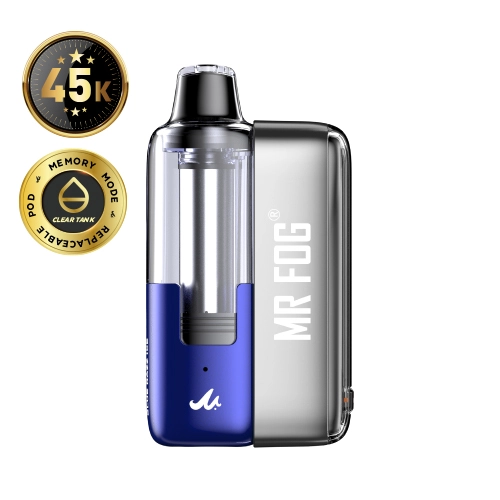 SWITCH POD
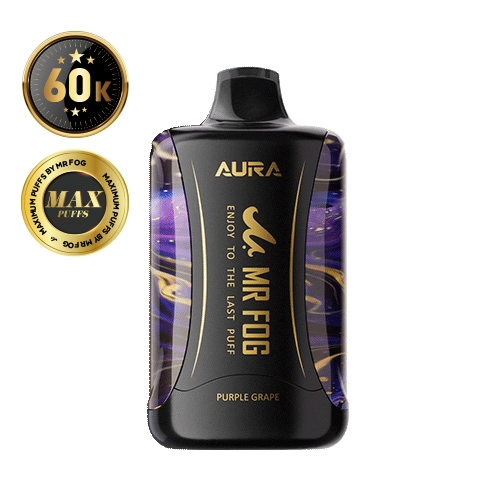 AURA
AURA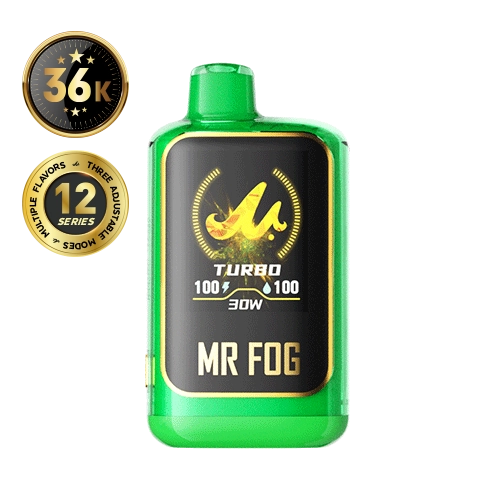 NOVA Apple Steezy
 NOVA Banana Steezy
 NOVA Popup Series
 NOVA Bubble Gang
 NOVA Lemon Steezy
 SWITCH POD
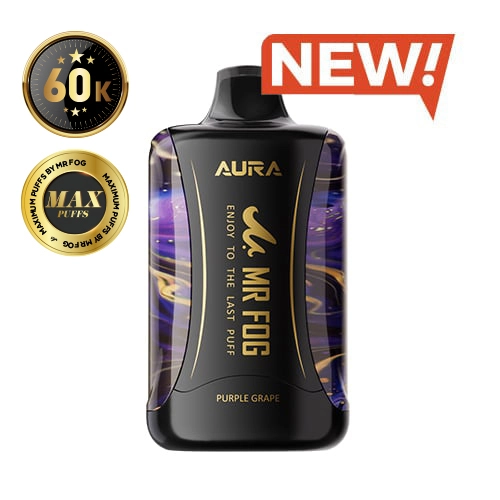 AURA
AURA NOVA Series
 SWITCH 15000
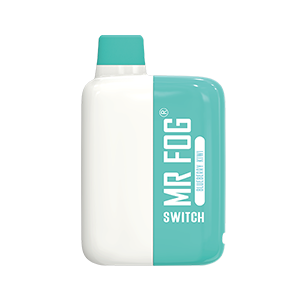 SWITCH 5500
 Blue Razz Steezy
 Mellow Man
 Apple Steezy
 Banana Steezy
 Berry Steezy
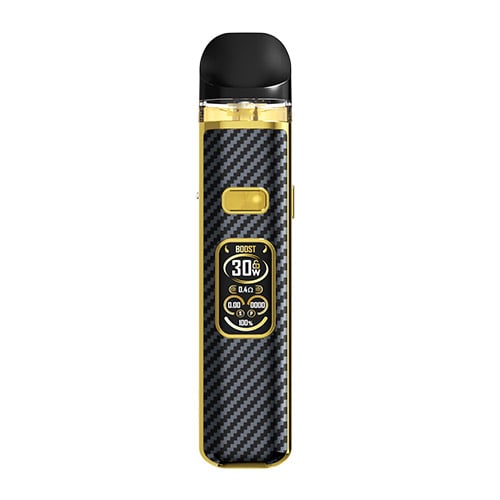 DRT
DRT Nicotine Pouches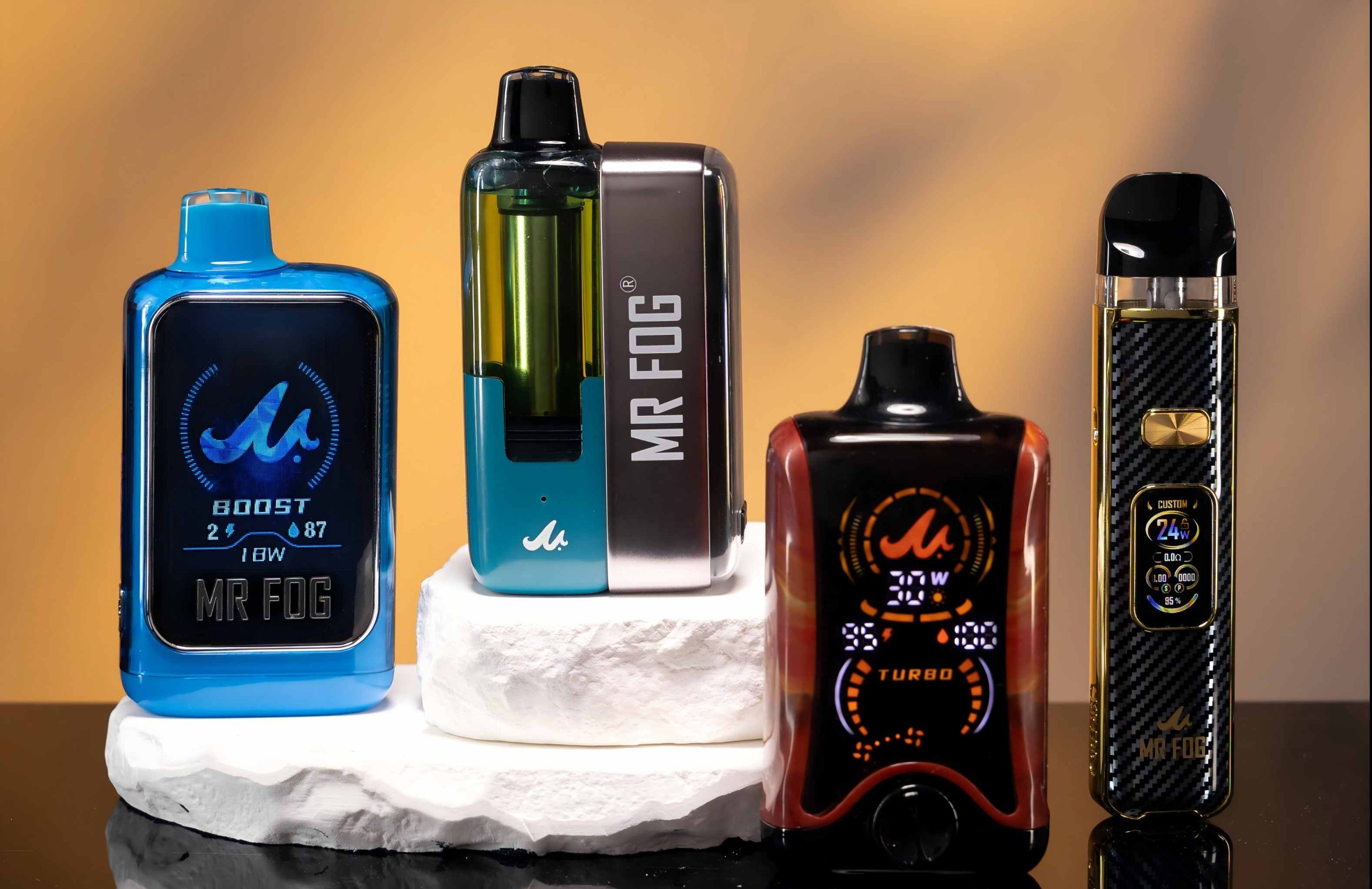



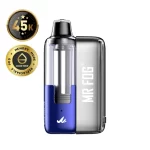 SWITCH POD
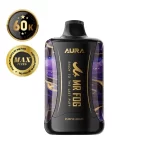 AURA
AURA NOVA Apple Steezy
 NOVA Banana Steezy
 NOVA Popup Series
 NOVA Bubble Gang
 NOVA Lemon Steezy
 SWITCH POD
 AURA
AURA NOVA Series
 SWITCH 15000
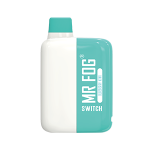 SWITCH 5500
 Blue Razz Steezy
 Mellow Man
 Apple Steezy
 Banana Steezy
 Berry Steezy
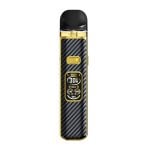 DRT
DRT Nicotine Pouches