

 Elite Halloween
 ELITE
ELITE SWITCH POD MINT STEEZY
 SWITCH POD PNCK
 SWITCH POD SOUR
 SWITCH POD SPLASH
 SWITCH POD
 AURA SPLASH
 AURA
AURA NOVA Apple Steezy
 NOVA Banana Steezy
 NOVA Popup Series
 NOVA Bubble Gang
 NOVA Lemon Steezy
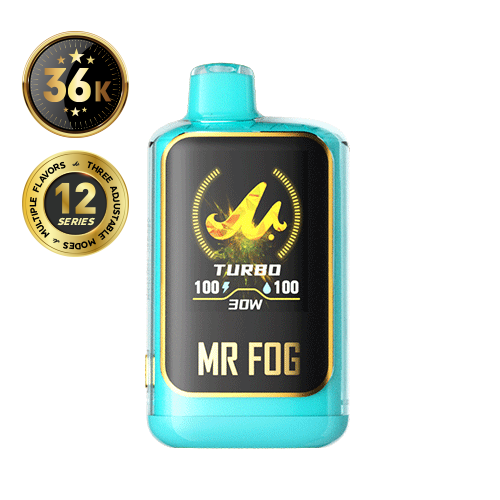 NOVA Series
 Blue Razz Steezy
 Mellow Man
 Apple Steezy
 Banana Steezy
 Berry Steezy
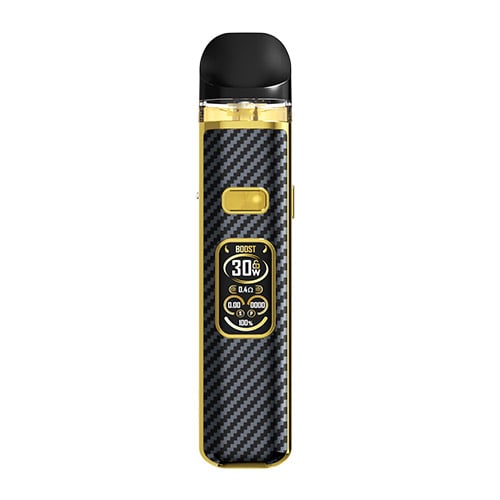 DRT
DRT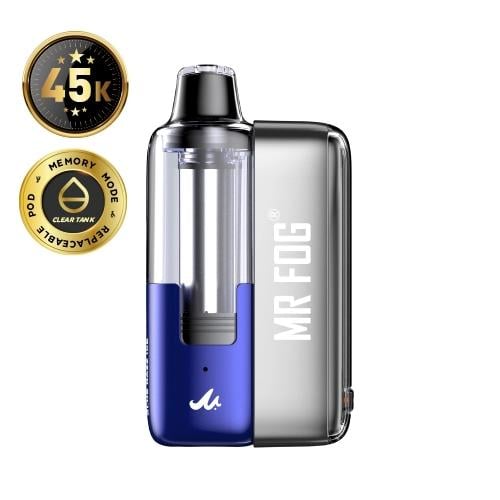 SWITCH POD
 Nicotine Pouches
As vaping becomes more mainstream, health-conscious users are asking increasingly detailed questions about its impact on the body. One of the most common is:
Does vape juice have calories?
Whether you are tracking your diet, concerned about weight gain, or preparing for a lifestyle change, understanding the caloric implications of vaping is important. In this comprehensive guide, we’ll break down:
-
Whether vape juice contains calories
-
How those calories are metabolized
-
Whether vaping affects weight
-
The role of nicotine in metabolism
-
What the science actually says
Does Vape Juice Have Calories?
Technically, yes — vape juice contains calories.
However, the practical impact of those calories on your body is extremely small.
To understand why, we need to look at the ingredients.
What Is Vape Juice Made Of?
Most vape juice (also called e-liquid) contains four primary components:
-
Vegetable Glycerin (VG)
-
Propylene Glycol (PG)
-
Flavorings
-
Nicotine (optional)
Let’s examine each one from a caloric perspective.
Do Vegetable Glycerin (VG) and Propylene Glycol (PG) Have Calories?
Yes.
Both VG and PG contain caloric value when consumed orally.
-
Vegetable Glycerin (VG): ~4 calories per gram
-
Propylene Glycol (PG): ~3 calories per gram
These are sugar alcohol–type compounds and do have energy density similar to carbohydrates.
But here’s the critical distinction:
👉 Vaping is inhalation, not ingestion.
The digestive system absorbs calories efficiently.
The lungs do not.

Are Calories Absorbed Through the Lungs?
The lungs are designed for gas exchange — not nutrient absorption.
When vape aerosol is inhaled:
-
Most vapor is exhaled
-
A small portion deposits in the respiratory tract
-
Only trace amounts enter systemic circulation
-
VG and PG are not metabolized for energy in the same way food is
Scientific consensus suggests that caloric absorption from inhaled VG and PG is negligible.
Even heavy vapers would not meaningfully increase daily caloric intake through inhalation alone.
How Many Calories Are in Vape Juice?
Let’s use an example.
If someone uses 60ml of e-liquid per month (heavy usage), and the liquid is a 50/50 VG/PG mix:
-
Total potential caloric content (if ingested): ~500–600 calories per month
-
Estimated absorbed calories through inhalation: extremely low
In practical terms:
👉 That amount is insignificant compared to a daily intake of 2,000+ calories.
Does Nicotine Have Calories?
No.
Nicotine itself does not contain calories.
Calories come from macronutrients:
-
Carbohydrates
-
Proteins
-
Fats
Nicotine is a plant-derived alkaloid. It does not provide energy to the body.
However, nicotine can influence metabolism — which leads to another common question.
Does Vaping Burn Calories?
Nicotine is a stimulant.
It can:
-
Slightly increase resting metabolic rate
-
Elevate heart rate
-
Increase energy expenditure modestly
However:
-
The metabolic increase is small
-
It is not significant for weight loss
-
It is not a safe or recommended weight control method
Any calorie burn from nicotine is minimal and outweighed by its potential health risks.
Can You Gain Weight from Vaping?
Directly? Very unlikely.
Indirectly? Possibly.
Here’s how:
1. Appetite Suppression
Nicotine suppresses appetite.
When someone stops nicotine use, appetite often increases — which can lead to weight gain.
This is commonly seen in people who quit smoking.
2. Sweet Flavor Psychology
Flavored vape juice tastes sweet.
Some research suggests that sweet flavor exposure may:
-
Trigger cravings for sugary foods
-
Increase appetite in some individuals
However, this is behavioral rather than caloric.
Does Vaping Cause Weight Loss?
There is no reliable scientific evidence that vaping causes meaningful weight loss.
Nicotine may:
-
Suppress appetite temporarily
-
Slightly increase metabolism
But vaping should not be considered a weight management tool.
Does Vaping Without Nicotine Have Calories?
Nicotine-free vape juice still contains VG and PG.
Technically, yes — it contains caloric compounds.
Practically, the body absorbs almost none of those calories through inhalation.
So even nicotine-free vaping does not meaningfully contribute to calorie intake.
Does Vaping Affect Blood Sugar?
This is another common related concern.
Current research suggests:
-
Nicotine can affect insulin sensitivity
-
Heavy nicotine use may influence glucose metabolism
However, vape juice itself does not directly increase blood sugar like eating carbohydrates would.
Scientific Summary: The Real Caloric Impact
Let’s summarize clearly.
| Question | Answer |
|---|---|
| Does vape juice have calories? | Technically yes |
| Are those calories absorbed? | Minimal to negligible |
| Does nicotine have calories? | No |
| Does vaping burn calories? | Very slightly (if nicotine is present) |
| Can vaping cause weight gain? | Indirectly possible, but not from calories |
| Is vaping a weight loss tool? | No |
Final Verdict: Should You Worry About Calories in Vape Juice?
If your concern is calorie intake or weight gain:
👉 The caloric impact of vaping is negligible.
The body does not metabolize inhaled VG and PG as meaningful energy sources. The amount absorbed is too small to affect daily caloric balance.
If weight management is your focus, dietary intake and physical activity matter far more than vaping in terms of calories.
 Elite Halloween
 ELITE
ELITE SWITCH POD MINT STEEZY
 SWITCH POD PNCK
 SWITCH POD SOUR
 SWITCH POD SPLASH
 SWITCH POD
 AURA SPLASH
 AURA
AURA NOVA Apple Steezy
 NOVA Banana Steezy
 NOVA Popup Series
 NOVA Bubble Gang
 NOVA Lemon Steezy
 NOVA Series
 Blue Razz Steezy
 Mellow Man
 Apple Steezy
 Banana Steezy
 Berry Steezy
 DRT
DRT SWITCH POD
 Nicotine Pouches