

 Elite Halloween
 ELITE
ELITE SWITCH POD MINT STEEZY
 SWITCH POD PNCK
 SWITCH POD SOUR
 SWITCH POD SPLASH
 SWITCH POD
 AURA SPLASH
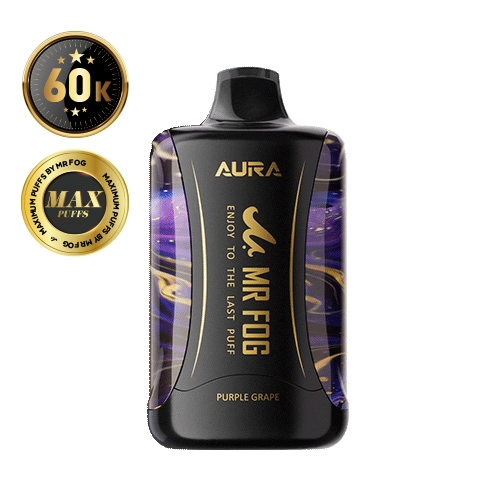 AURA
AURA NOVA Apple Steezy
 NOVA Banana Steezy
 NOVA Popup Series
 NOVA Bubble Gang
 NOVA Lemon Steezy
 NOVA Series
 Blue Razz Steezy
 Mellow Man
 Apple Steezy
 Banana Steezy
 Berry Steezy
 DRT
DRT SWITCH POD
 Nicotine Pouches
Quick Answer
If you’re wondering how long nicotine stays in urine, the short answer is:
Nicotine itself is usually gone within 1 to 3 days, but its primary metabolite, cotinine, can remain detectable in urine for anywhere from several days to several weeks depending on how often you use nicotine products.
For occasional users, cotinine may disappear within a few days.
For regular smokers or vapers, cotinine can sometimes be detected in urine for up to three weeks or longer.
Understanding the difference between nicotine and cotinine is the key to understanding urine testing.
Why Urine Tests Look for Cotinine Instead of Nicotine
Many people assume nicotine is what gets tested.
In reality, most nicotine tests measure:
Cotinine is the primary substance created when the body breaks down nicotine.
When nicotine enters your bloodstream through:
- cigarettes
- disposable vapes
- pod systems
- nicotine pouches
- chewing tobacco
your liver begins converting it into cotinine.
Because cotinine remains in the body much longer than nicotine itself, laboratories use it as the primary marker for nicotine exposure.
This makes urine testing more accurate.
How Your Body Processes Nicotine
Understanding nicotine metabolism helps explain detection times.
Step 1: Nicotine enters the bloodstream
Nicotine is rapidly absorbed after:
- smoking
- vaping
- chewing tobacco
- nicotine replacement products
Step 2: The liver breaks it down
The liver uses enzymes to convert nicotine into:
- cotinine
- trans-3′-hydroxycotinine
- other metabolites
Step 3: The kidneys remove it
These substances eventually leave the body through:
- urine
- sweat
- saliva
Urine contains the highest concentrations, which is why urine testing is commonly used.
How Long Does Nicotine Stay in Urine?
The answer depends on several factors.
Nicotine has a relatively short half-life.
Most nicotine leaves the bloodstream within:
1–3 days
after the last exposure.
However, urine tests rarely focus on nicotine alone.
How Long Does Cotinine Stay in Urine?
Cotinine stays much longer.
Typical detection windows include:
Occasional Users
1–7 days
Moderate Users
7–14 days
Daily Smokers and Vapers
2–3 weeks
Heavy Long-Term Users
Up to 4 weeks in some cases
This is why people preparing for nicotine testing often discover that quitting for only a few days may not be enough.
Factors That Affect Detection Times
No two people process nicotine exactly the same way.
Several factors influence how long nicotine stays in your urine.
Frequency of Use
The biggest factor is how often nicotine is used.
Occasional User
A person who vapes only once or twice a week may clear cotinine much faster.
Daily User
Someone who uses nicotine every day accumulates higher cotinine levels.
This extends detection times significantly.
Nicotine Strength
Products containing higher nicotine concentrations generally result in:
- higher cotinine levels
- longer detection windows
For example:
- 0mg vape → no nicotine exposure
- 2% vape → moderate exposure
- 5% nicotine vape → significantly higher exposure
Body Metabolism
Some individuals naturally metabolize nicotine faster than others.
Factors include:
- genetics
- age
- liver function
- hormone levels
Hydration Levels
Water intake affects urine concentration.
While drinking water may dilute urine, it does not instantly remove cotinine from the body.
Physical Activity
Exercise may help support overall metabolism, but it does not dramatically eliminate nicotine overnight.
How Long Does Nicotine Stay in Your System Urine Compared to Other Tests?
Different testing methods have different detection windows.
| Test Type | Typical Detection Window |
|---|---|
| Urine | Up to 3 weeks |
| Blood | Up to 10 days |
| Saliva | Up to 4 days |
| Hair | Several months |
Urine testing remains the most common method because it offers a longer detection window while remaining relatively inexpensive.
Can Secondhand Exposure Cause a Positive Test?
Sometimes.
Heavy exposure to:
- cigarette smoke
- vape aerosol
- indoor nicotine environments
may produce detectable cotinine levels.
However, levels are usually much lower than those found in active users.
Modern testing methods can often distinguish between:
- active use
- passive exposure
Can Vaping Affect Nicotine Test Results?
Yes.
Many people assume vaping avoids nicotine testing concerns.
However, if the vape contains nicotine, the body processes it similarly to cigarettes.
Whether nicotine comes from:
- disposable vapes
- pod systems
- refillable devices
the resulting cotinine can still appear in urine testing.
How to Reduce Nicotine Levels Naturally
Many people preparing for testing ask how to remove nicotine more quickly.
There is no instant solution.
However, several healthy habits may support normal elimination processes.
Stay Hydrated
Proper hydration supports kidney function and normal urine production.
Eat a Balanced Diet
Foods rich in antioxidants may support overall metabolism.
Examples include:
- berries
- citrus fruits
- leafy greens
Exercise Regularly
Regular physical activity supports metabolic function.
Stop Nicotine Use
The single most effective strategy is simply:
Avoid further nicotine exposure
No detox product can outperform time.
Common Myths About Nicotine Testing
Myth #1: Drinking Water Clears Nicotine Overnight
False.
Water helps maintain hydration but does not instantly eliminate cotinine.
Myth #2: Vaping Doesn’t Show Up on Nicotine Tests
False.
Nicotine-containing vapes produce cotinine just like cigarettes.
Myth #3: Exercise Removes Nicotine Immediately
False.
Exercise may support metabolism but cannot instantly clear nicotine from the body.
How Long Does Nicotine Stay in Urine for Insurance Tests?
Many life insurance companies test for:
rather than nicotine.
Because cotinine remains detectable longer, applicants may need several weeks of abstinence before testing.
Policies vary by insurer.
Final Thoughts
If you’re asking how long does nicotine stay in urine, the most accurate answer is:
Nicotine itself usually leaves the body within a few days, but cotinine can remain detectable in urine for up to several weeks depending on usage habits, metabolism, and overall nicotine exposure.
For occasional users, detection windows are shorter.
For regular smokers and vapers, urine testing can identify nicotine exposure long after the last use.
Understanding how nicotine is processed—and what tests actually measure—can help eliminate confusion and set realistic expectations.
FAQ
How long does nicotine stay in your urine after vaping?
Nicotine itself may leave the body within a few days, but cotinine from vaping can remain detectable in urine for up to three weeks depending on usage frequency.
What is the difference between nicotine and cotinine?
Nicotine is the substance consumed through smoking or vaping, while cotinine is the metabolite created when the body breaks nicotine down. Most urine tests look for cotinine.
Can a nicotine urine test detect occasional vaping?
Yes. Even occasional nicotine use can produce detectable cotinine levels for several days.
How long should I stop vaping before a urine nicotine test?
For occasional users, several days may be sufficient. Daily users may need two to three weeks or longer before cotinine falls below testing thresholds.
Does nicotine stay in urine longer than blood?
Yes. Cotinine is usually detectable in urine much longer than in blood, making urine testing one of the most common methods used.
Can nicotine-free vapes cause a positive urine test?
True nicotine-free products should not produce cotinine. However, product quality and labeling accuracy can vary, so users should purchase from reputable manufacturers.
Does drinking water help pass a nicotine urine test?
Drinking water supports hydration, but it does not immediately remove cotinine from the body.
Why do employers test for nicotine?
Some employers and insurance providers test for nicotine use to evaluate health risks, workplace policies, or insurance eligibility.
 Elite Halloween
 ELITE
ELITE SWITCH POD MINT STEEZY
 SWITCH POD PNCK
 SWITCH POD SOUR
 SWITCH POD SPLASH
 SWITCH POD
 AURA SPLASH
 AURA
AURA NOVA Apple Steezy
 NOVA Banana Steezy
 NOVA Popup Series
 NOVA Bubble Gang
 NOVA Lemon Steezy
 NOVA Series
 Blue Razz Steezy
 Mellow Man
 Apple Steezy
 Banana Steezy
 Berry Steezy
 DRT
DRT SWITCH POD
 Nicotine Pouches