

 ELITE
ELITE SWITCH POD SPLASH
 SWITCH POD
 AURA SPLASH
 AURA
AURA NOVA Apple Steezy
 NOVA Banana Steezy
 NOVA Popup Series
 NOVA Bubble Gang
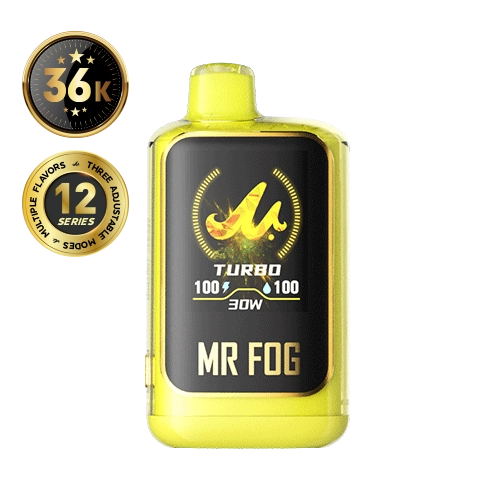 NOVA Lemon Steezy
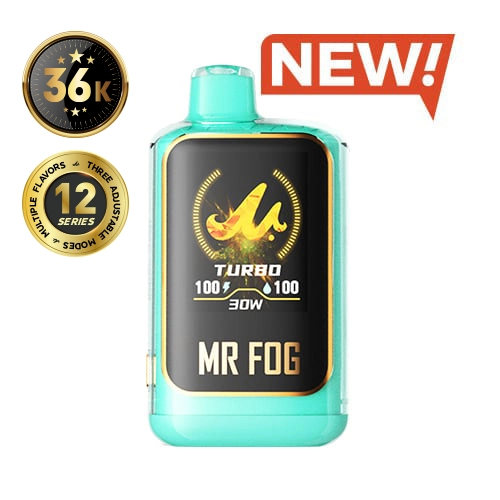 NOVA Series
 Blue Razz Steezy
 Mellow Man
 Apple Steezy
 Banana Steezy
 Berry Steezy
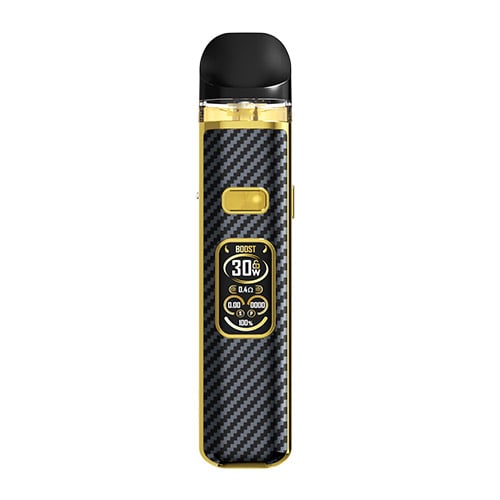 DRT
DRT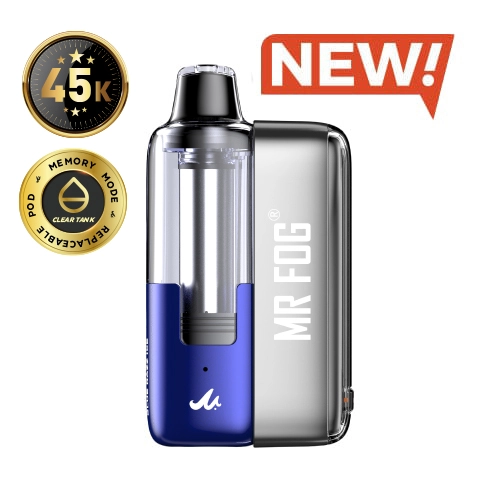 SWITCH POD
 Nicotine Pouches
Vape devices keep getting smaller, stronger, and easier to use—but safety questions haven’t gone away. One of the most common is straightforward: what metals are in vapes?
This consumer guide explains which metals are commonly used in e-cigarettes, how trace metals can show up in vape aerosol, what major U.S. public health agencies say about potential risks, and practical ways to reduce unnecessary exposure.
Important: This article is for adults 21+ and is informational only. If you don’t use tobacco products, public health agencies recommend you don’t start. If you smoke and want to quit, consider evidence-based help and talk with a healthcare professional.
What Metals Are Commonly Found in Vape Devices?
Most vaping products contain metal parts—especially around the heating system and electrical connections. The specific materials vary by device design (disposable vs. pod system vs. refillable), but commonly identified metals include:
- Nickel (often used in heating elements)
- Chromium (commonly found in alloy coils)
- Stainless steel (an alloy of iron with chromium, often with nickel)
- Copper (common in wiring and electrical contacts)
- Tin and lead (can be present in solder or as trace contaminants)
- Aluminum (often used in housings or internal structural parts)
These metals aren’t unique to vaping—they’re widely used in electronics. What matters is whether any of that material transfers into the aerosol you inhale.
How Do Metals Get Into Vape Aerosol?
E-cigarettes create an aerosol by heating e-liquid. Over time, tiny amounts of metal can migrate into that aerosol for a few reasons:
- Heat and repeated heating cycles can wear down coil surfaces
- Very high power settings can increase coil temperature and stress materials
- Aging or damaged coils can shed more material
- Manufacturing variability can affect the quality and consistency of parts
You’ll sometimes see this described as “metal leaching.” The overall amount can vary significantly from one device to another—and even from one coil to the next.
What Does Research and U.S. Guidance Say?
U.S. public health agencies have repeatedly emphasized that e-cigarette aerosol is not harmless “water vapor.” The CDC notes that e-cigarette aerosol can contain heavy metals such as nickel, tin, and lead, along with other potentially harmful substances and tiny particles that can be inhaled deep into the lungs (see the CDC’s About E-Cigarettes).
Because products differ widely and users vape in different ways, studies often find wide variation in measured metal levels. That’s why it’s best to think in terms of risk management: how to avoid conditions and products that can increase unwanted exposure.
Are Metals in Vapes Harmful?
Potential health effects depend on the specific metal, how much is inhaled, and how often.
- Nickel and chromium are known respiratory irritants for some people, and nickel can trigger allergic reactions.
- Lead exposure is generally something to minimize whenever possible.
- Ultrafine particles—including those that may contain metals—can travel deep into the lungs.
It’s also worth keeping perspective: many toxicants are found at lower levels in e-cigarette aerosol than in cigarette smoke, but “lower” doesn’t mean “safe.”

What Affects Metal Exposure the Most?
If you’re trying to reduce avoidable exposure, these factors tend to matter:
- Device and coil quality: Better materials and tighter manufacturing controls can reduce variability.
- Power and temperature: Higher heat can accelerate coil wear.
- Coil condition: Old, gunked-up, or burnt coils may shed more material.
- User behavior: Frequent chain vaping and long puffs can increase heat stress.
- E-liquid composition: Some formulations may leave more residue on coils over time.
Practical Tips to Reduce Exposure to Metals When Vaping
If you choose to vape, these consumer steps can help reduce unnecessary risk:
- Replace coils/pods on schedule and immediately if you notice a burnt taste.
- Avoid extremely high power settings unless the device is designed for it.
- Don’t modify devices or use incompatible parts.
- Buy from reputable sources and avoid products from informal or unknown sellers.
- Store devices properly to prevent damage that can affect electrical connections.
The CDC has also advised consumers not to modify vaping products or add substances not intended by the manufacturer, and to avoid products from informal sources—especially in the context of lung injury investigations (see the CDC’s MMWR guidance).
Regulatory Oversight in the United States
In the U.S., the Food and Drug Administration regulates tobacco products, including e-cigarettes, and evaluates products through pathways such as premarket review. Because product designs and ingredients can vary, the FDA has discussed device-related variables that may affect health impact, including exposure to metals (see FDA background in FDA regulation of ENDS).
Key Takeaways
- Yes, vapes contain metals—they’re essential for coils and electrical components.
- Trace metals can appear in aerosol, and levels can vary by device, coil condition, and how the product is used.
- Risk isn’t one-size-fits-all: quality, temperature, and maintenance play a big role.
- If you vape, focus on smart, low-risk use habits and avoid modifications or questionable sources.
FAQs
Do all vapes contain metals?
Yes. Metals are used in coils, wiring, and connectors. The key difference is how much—if any—ends up in the aerosol.
Can you avoid metals completely when vaping?
Not entirely, because heating elements rely on metal. But you can reduce exposure by using devices as intended and maintaining coils/pods.
Are disposable vapes more likely to contain metals?
Disposable devices still use metal components. Risk can vary with build quality and consistency, which isn’t always easy to assess.
Is metal exposure from vaping definitely dangerous?
Not automatically. Harm depends on dose and frequency, but it’s generally wise to minimize avoidable exposure.
Is vape aerosol safer than cigarette smoke?
Many measured toxicants are lower in e-cigarette aerosol than cigarette smoke, but the CDC notes e-cigarette aerosol is not harmless and can contain heavy metals and other potentially harmful substances.
 ELITE
ELITE SWITCH POD SPLASH
 SWITCH POD
 AURA SPLASH
 AURA
AURA NOVA Apple Steezy
 NOVA Banana Steezy
 NOVA Popup Series
 NOVA Bubble Gang
 NOVA Lemon Steezy
 NOVA Series
 Blue Razz Steezy
 Mellow Man
 Apple Steezy
 Banana Steezy
 Berry Steezy
 DRT
DRT SWITCH POD
 Nicotine Pouches